by Amy Zoethout | Aug 16, 2021 | Archives, Blog
Livia Picado Swan, Huron County Archives assistant, is working on the Henderson Collection this summer and highlighting some of the stories and images from the collection.
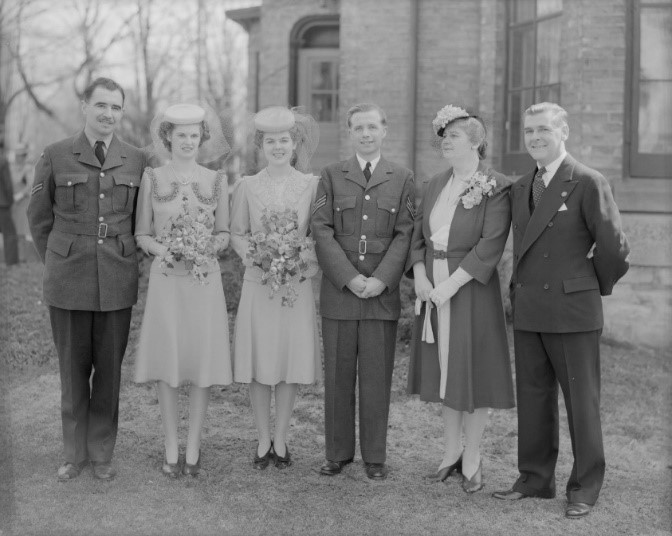
In keeping with our August theme of making lemonade from lemons, we take a look at some of the wedding photos taken by Gordon J. Henderson during the Second World War. The photographs highlight some of the men and women of the Royal Canadian Air Force who celebrated their marriages while stationed at one of Huron County’s air training schools. So far, staff know of 18 different weddings that Henderson photographed, which are all available to be viewed online.
During the Second World War, Henderson, travelled to air training schools in Goderich, Port Albert, and Clinton taking pictures of classes and other base activities. Many airmen came to his studio in Goderich to have their portraits taken to send home to family and friends. The Henderson Collection also includes wedding portraits, candid shots, and correspondence related to WWII air training in Huron County.
Haddy wedding – A992.0003.202a
Fannie Lavis and Cpl. Wesley F. Haddy, from Seaforth, were married on Aug. 6, 1945. Miss Lavis had two parties hosted for her by her friends before her wedding, including a crystal shower, according to the Huron Expositor, as found in our online collection of Huron Historic Newspapers.
Holmes Wedding – A992.0003.179a
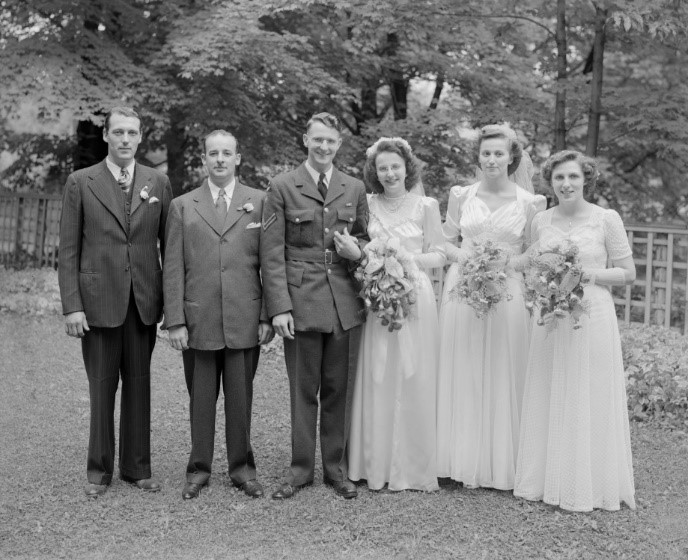
Sgt. Cecil R. Holmes married Lorraine Eleanor Atkinson on June 10, 1944. Their wedding was held in the Dundas Central United Church in London, and the Clinton News Record reported on the event. During the 1940s, newspapers would describe the clothing, decorations, and events at the ceremony for their readers.
“The Church was attractive with Peonies, Ferns, and Palms, and was lighted with tapers held in candelabras. C.E. Wheeler was at the organ and the soloist was Miss Edna Parsons, who sang ‘Because’. The bride was given in marriage by her Uncle. A.G. Atkinson of Detroit. She was dressed in a filmy white net with panels of brocaded net adored with bows of white velvet and orange blossoms in the full skirt, which ended in a slight train. The dress was fashioned with sweetheart neckline and long sleeves. An illusion veil fell in three lengths from a flowered Headdress and she carried American beauty roses, “ (As published in the Clinton News Record, 1944-06-15, pg. 8, from our online collection of Huron Historic Newspapers)
Note that the dress in the description doesn’t match the image. It’s likely that Mrs. Holmes wore a different gown for her wedding than she did her wedding pictures. Wedding dresses during the Second World War were often shared or passed between women to aid in the war efforts and to avoid using excess fabric when rations were in place. Other women would simply wear a fine dress from their closet instead of a dress specifically meant for the ceremony.
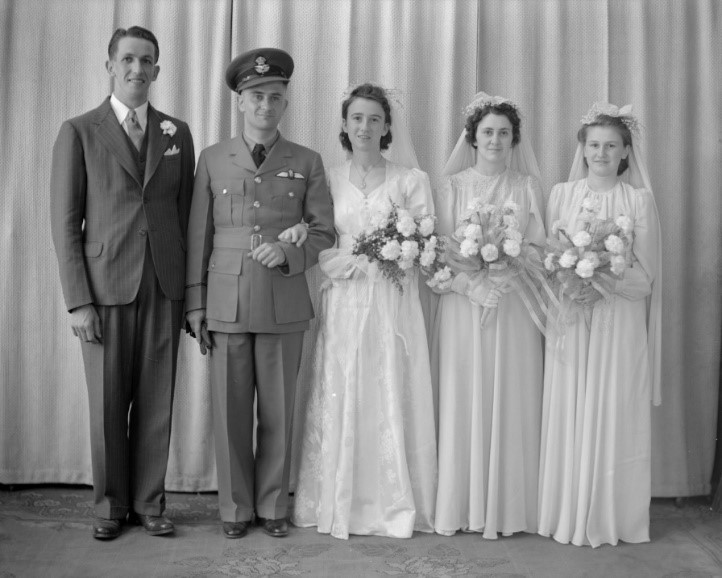
Wagner Wedding – A992.0003.178a
Helen Marguerite Miller and Roy Wagner were married on June 5th of 1945, at Wesley Willis United Church in Clinton, ON. They went to the home of the bride’s family for a buffet lunch and reception.
“The bride, given in marriage by her father, wore a floor length gown of white brocaded satin, fashioned on princess lines with a sweetheart neckline. Her embroidered floor length veil was caught with orange blossoms and lily of the valley, and she carried a bouquet of white carnations, bouvardia, and lily of the valley.” (As published in the Clinton News Record, 1943-06-10, from our online collection of Huron Historic Newspapers)
As the Huron County Museum continues to digitize more images from the Henderson Collection, perhaps we will find more weddings celebrated by the men and women of the RCAF army bases in Huron County. There were many weddings held without a notice in the paper, making it a bit harder to find public information about the ceremony. I hope that the descriptions that do exist, and the smiling faces of the wedding parties, will let you imagine these beautiful times of joy during such a difficult era.
by Amy Zoethout | Aug 10, 2021 | Archives
If you’re out touring County Roads this summer, you may notice some new brown and white heritage signs marking Huron County’s historic settlements. The project was initiated by the County’s Public Works Department as a way to remember these communities that once existed in Huron. To date, 23 signs have been erected, including three signs marking communities that still exist, but under a different name. This summer, our student Maddy Gilbert will explore the history of some of these settlements.
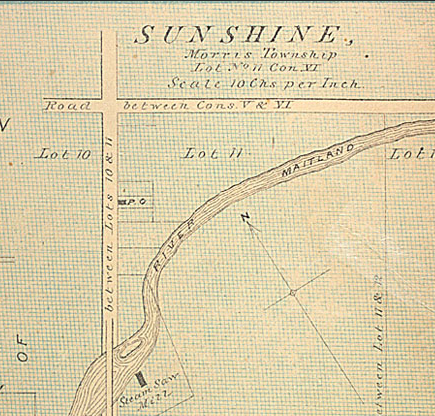
Sunshine as it appeared in the Historical Atlas of Huron County 1879.
Sunshine was founded as the Village of Providence in 1868 by Alfred “Paddy” Brown. He had high hopes for the village, although it would not last very long. The post office opened in 1874, with W.F. Cornell acting as the postmaster. By 1879, there was a plow store and a general store, the general store being operated by Robert Crittenden.
The local Orange Lodge was used as a meeting place for the Sons of Temperance, a brotherhood who supported the temperance movement. The Sons of Temperance were founded in 1842, and quickly spread across Canada and the United States.
In 1886, the church improved its facilities with the addition of stone walls and a new roof. They expanded the burial grounds, and added a numbering system. These new lots were put up for sale at $4 each, or $2.50 per half lot.
Much like other pioneer settlements who failed to find their niche, the decline of Sunshine was due to the popularity and superiority of the local railway towns, such as Brussels and Blyth.
In 1899, only three houses remained in Sunshine. Those were the houses of Milton Watson, the Fleming Sisters, and one other individual. The last church service in Sunshine was held on Aug. 21, 1927.
Sunshine was located at the intersections of Huron County Road 16 (Morris Road) and Martin Line. The cemetery is located a short distance down Martin Line. Sunshine is 8km west of Brussels, 15 km southeast of Wingham, and 12 km northeast of Blyth.
by Amy Zoethout | Apr 7, 2021 | Archives, Blog
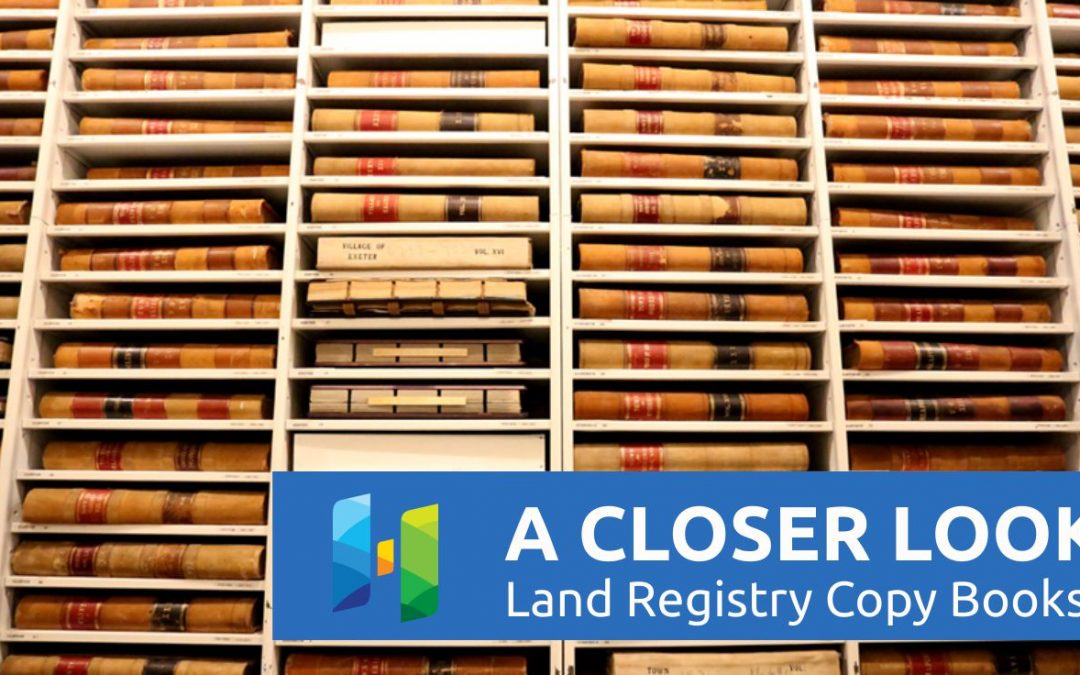
Take a closer look at the Huron County Museum & Historic Gaol and its collections as staff share stories about some well-known and some not-so-well-known features, artifacts, and more. Archivist Michael Molnar looks at the Land Registry Copy Books available through the Huron County Museum’s Archives that can help with family research.
Did you know that the Huron County Museum has Land Registry Copy Books for the County of Huron?
Land Registry Copy Books contain historical (1835 – 1950s) information about the transactions of real property (specifically the ownership of land). These recorded transactions can be one way of confirming the existence of your ancestors in Huron County – confirming is a very important and rewarding step when conducting family research.
These historical Land Registry Copy Books are housed in the archival stacks at the Huron County Museum and can be accessed by appointment with the Archivist. While the Museum is temporarily closed to the public, learn more about the Archives’ new virtual research services here: https://www.huroncountymuseum.ca/huron-county-archives/
You can find information in the Land Registry Copy Books about your ancestors if you know a lot and concession number (rural) or a lot number (urban). You can access an historical map of Huron County with names and lot and concession numbers here: https://digital.library.mcgill.ca/countyatlas/huron.htm. This map can be a great starting point.
The Land Registry Copy Books housed at the Huron County Museum include information for the following communities:
Former Townships of Huron County: Ashfield, Colborne, East Wawanosh, Goderich, Grey, Hay, Howick, Hullett, McKillop, Morris, Stanley, Stephen, Tuckersmith, Turnberry, Usborne, and West Wawanosh.
Towns and Villages: Bayfield, Bluevale, Blyth, Cranbrook, Crediton, Dashwood, Dungannon, Ethel, Exeter, Fordwich, Goderich, Hensall, Kinburn, Lakelet, Lucknow, Manchester (Auburn), Nile, Port Albert, Seaforth, St. Joseph, Summerhill, Varna, Walton, Wroxeter and Zurich (not an exhaustive list).
You can access online historical land registry information for properties in Ontario through OnLand: https://help.onland.ca/en/what-is-onland/
by Amy Zoethout | Feb 10, 2021 | Archives, Blog

Mary Frances Griffin, 1914. Photo provided by David Hammer.
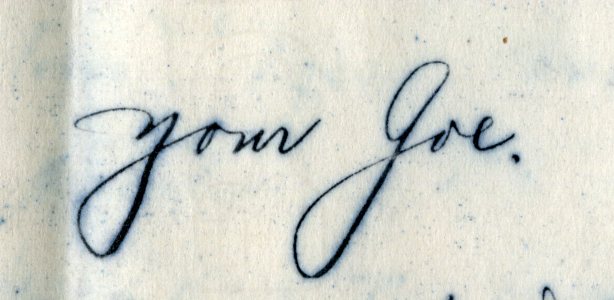
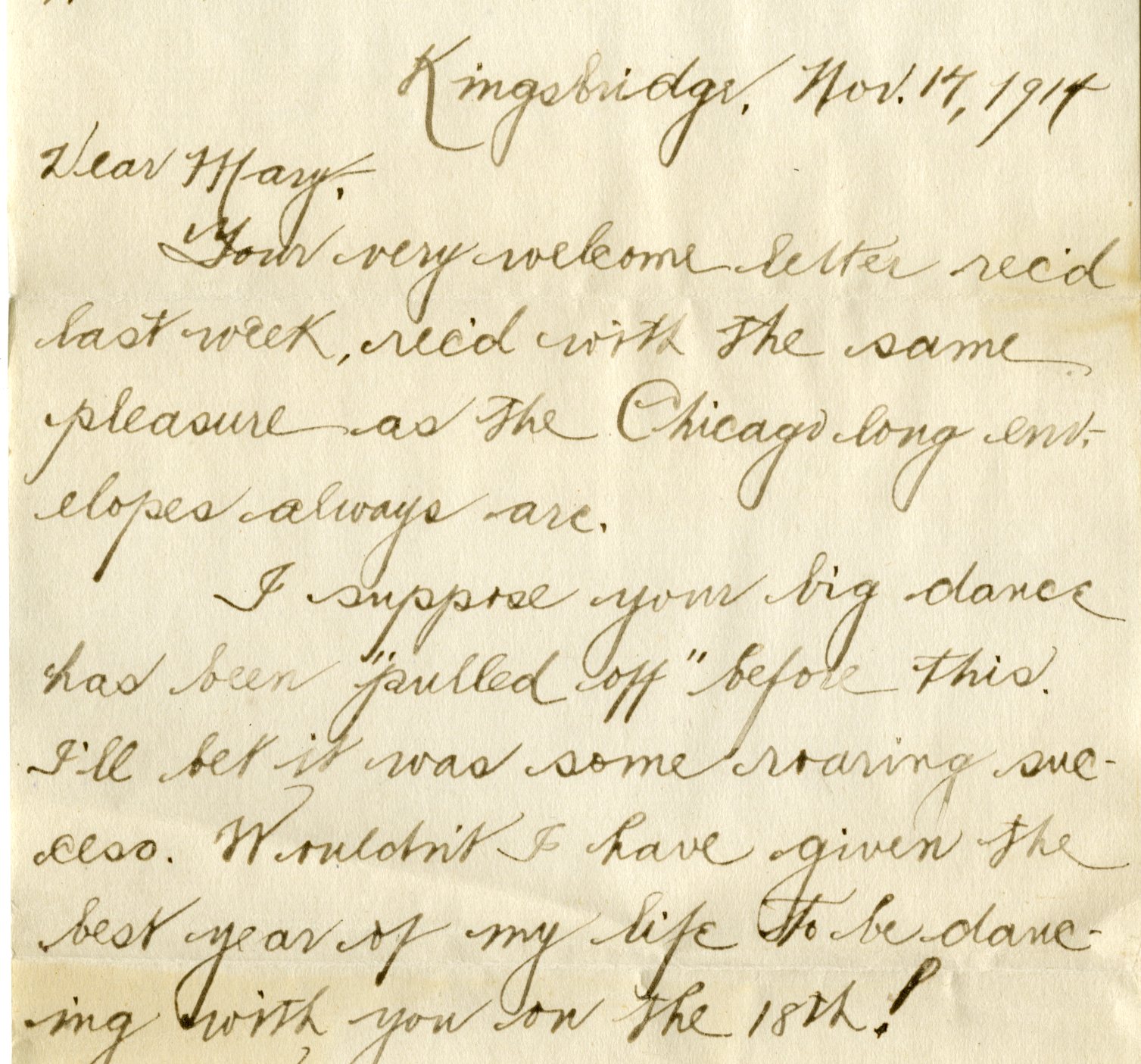
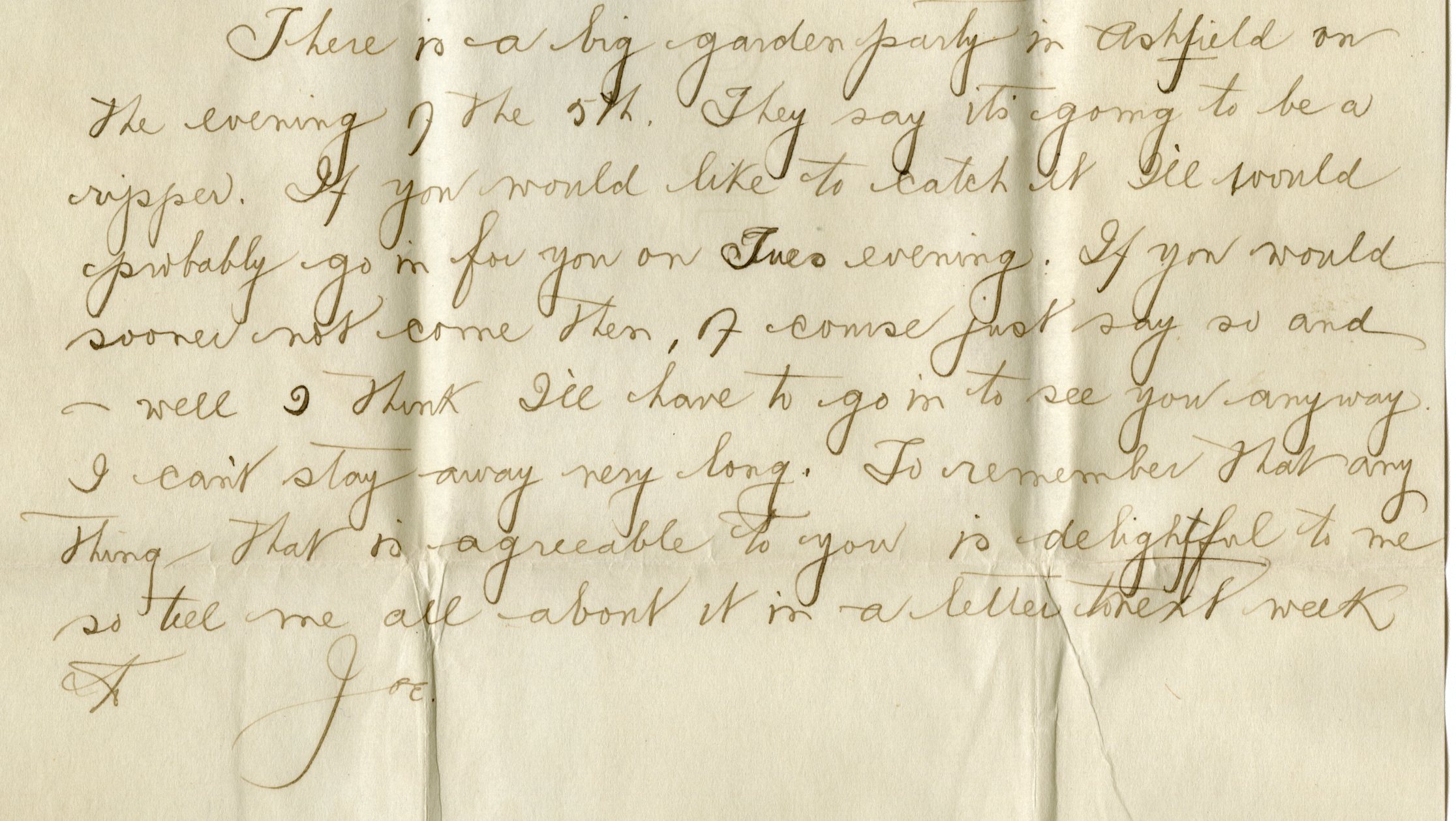
In the spirit of Valentine’s Day, the Huron County Museum shares a few images showing excerpts from letters recently donated to the Huron County Archives. The letters beautifully speak to life in rural Huron County in the early 1900s and share a glimpse into young love.
Sixteen letters in total were donated to the Museum’s archival collection, all written by a young Ashfield Township man named Joe during the years of 1913 through 1917 to Mary Frances Griffin. The correspondence between Joe and Mary took place after she had moved to Chicago after a time spent living in the Kingsbridge area. The letters were eventually passed down to her grandson, David Hammer, of Palatine, Illinois, who kindly donated them to the Museum.
In donating the letters, David wrote the following about his grandmother: “When Mary’s father, Timothy Griffin, died in Marquette, Michigan, Mary was sent to live with her aunts and uncles in Kingsbridge [Huron County]. She lived there from 1910 to 1912 and in the following years returned many times during the summer. Sundays she went to church. Weekdays she did chores, working in the garden, helping with cooking and cleaning. On Saturday nights the big excitement was to go dancing with friends and come home late. And always the question: Who was getting serious with whom? The possibilities were endless!”
by Amy Zoethout | Dec 24, 2020 | Archives, Artefacts, Blog, Exhibits
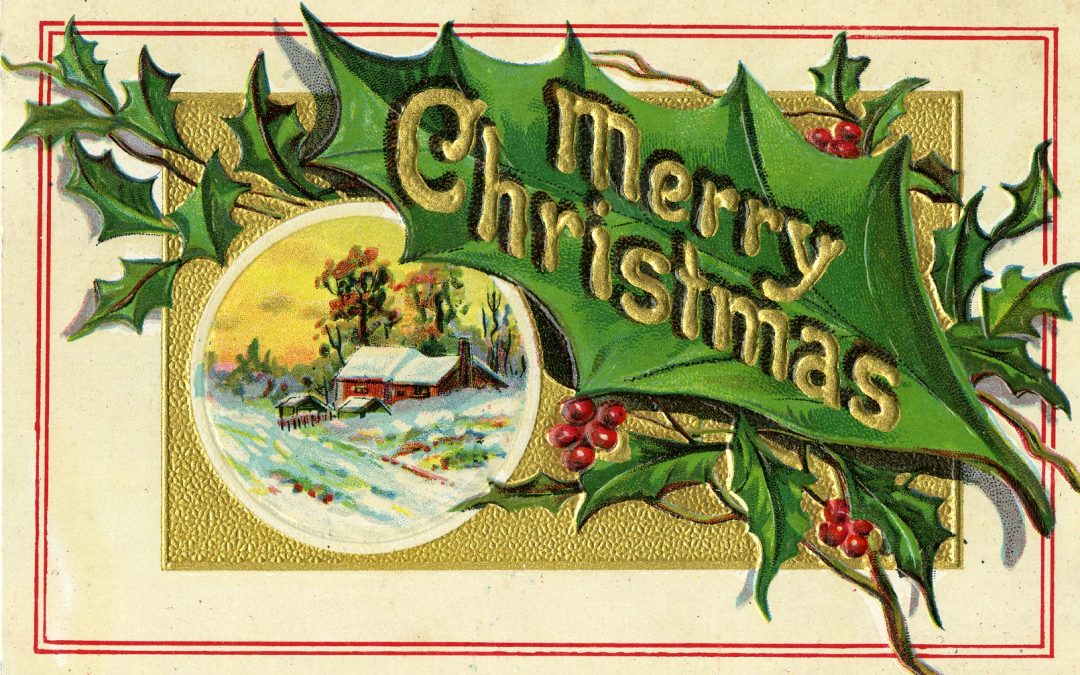
Technology over the last several years has made it so easy to quickly connect with friends and loved ones that the tradition of sending Christmas cards has not been as popular as it once was. But in the midst of a global pandemic, when we can’t celebrate together like we normally would, people are looking for more meaningful ways to let loved ones know they are thinking of them, and what better way than a lovely greeting delivered through the mail. And while we can’t send out a seasonal greeting to you all through the mail, we can still use the power of technology to share a little Christmas cheer by taking a look through some of the Christmas cards in our collection. 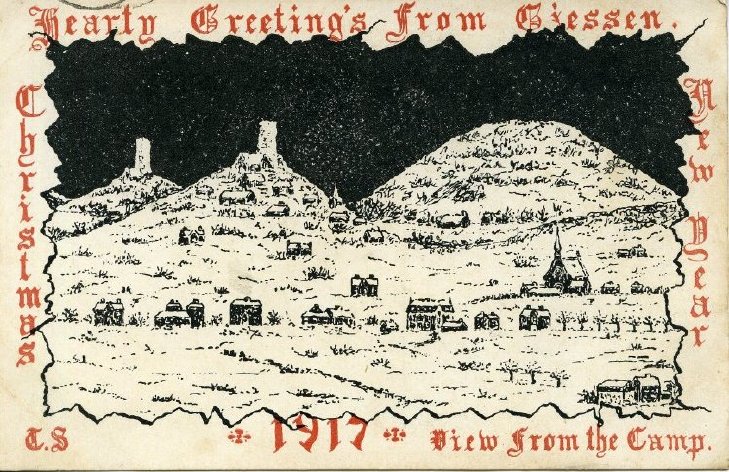
Christmas Greetings, From Germany To Edith Williams From Prison Camp 106684 Co.10 Bar. B A994.0007.033
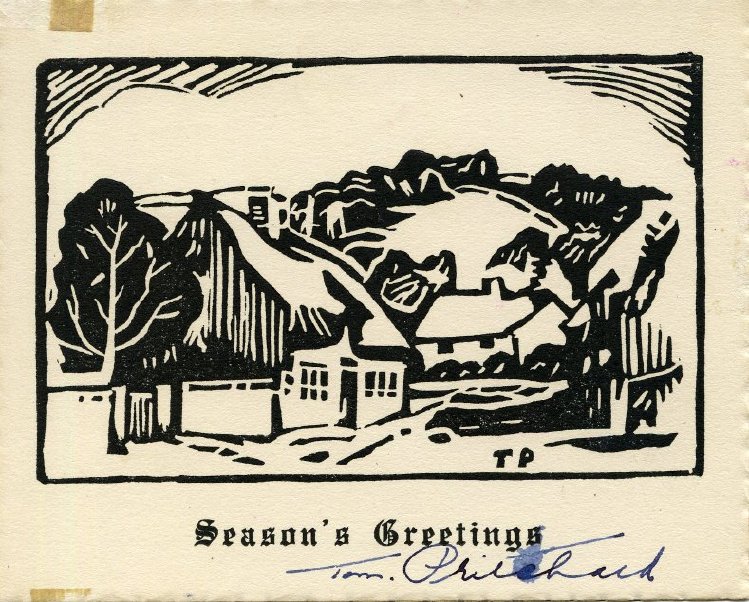
A Christmas notecard “Season’s Greetings”. On the front of card is a Tom Pritchard print of a farm/house by a hill and is signed by Tom Pritchard. Donated by Town of Goderich. 2011.0021.009
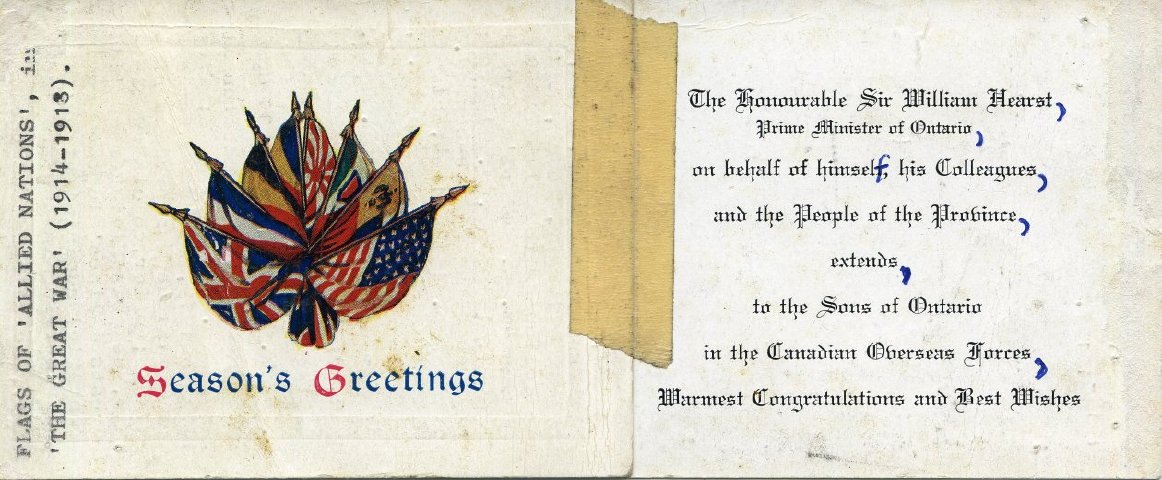

This Christmas postcard features flags of Allied nations in the First World War. The back of the card includes a bio of Ontario Premier William Hearst. 2004.0044.006
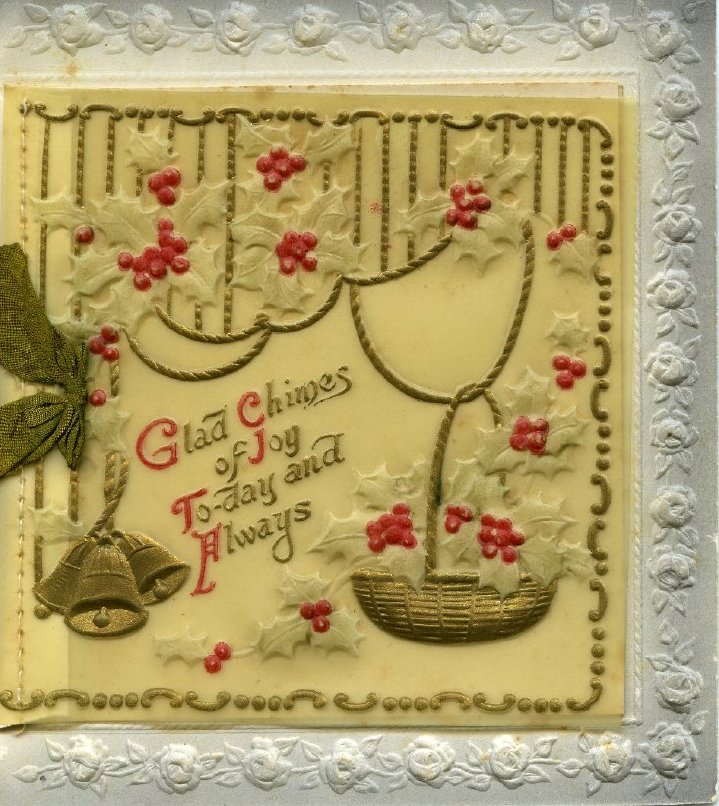
The back of this card has a silver embossed border. The front of the card is made of plastic with bells and holly designs on it. On the inside left is printed “THAT YOU’LL REMEMBER ME”. On the inside right is printed A GREETING…ANOTHER CHRISTMAS. A951.0664.001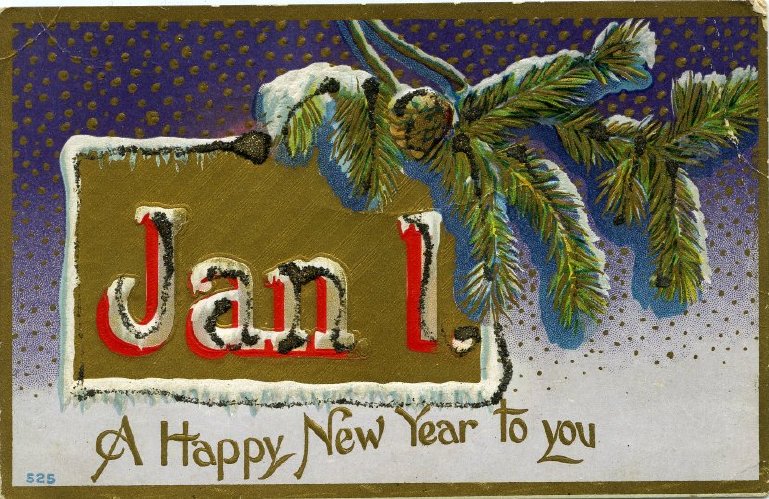
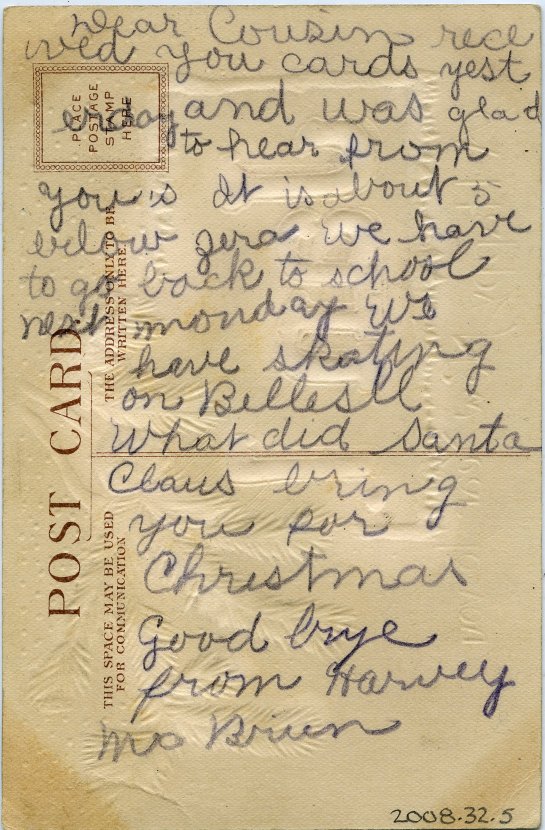 This Happy New Year postcard does not include a postmark, but reads on the back: “Dear cousin, received your cards yesterday and I was glad to hear from you’s. It is about 5 below zero, we have to go back to school next Monday. We have skating on Belles Isle. What did Santa Claus bring you for Christmas. Good bye from Harvey M Brien.” 2008.0032.005
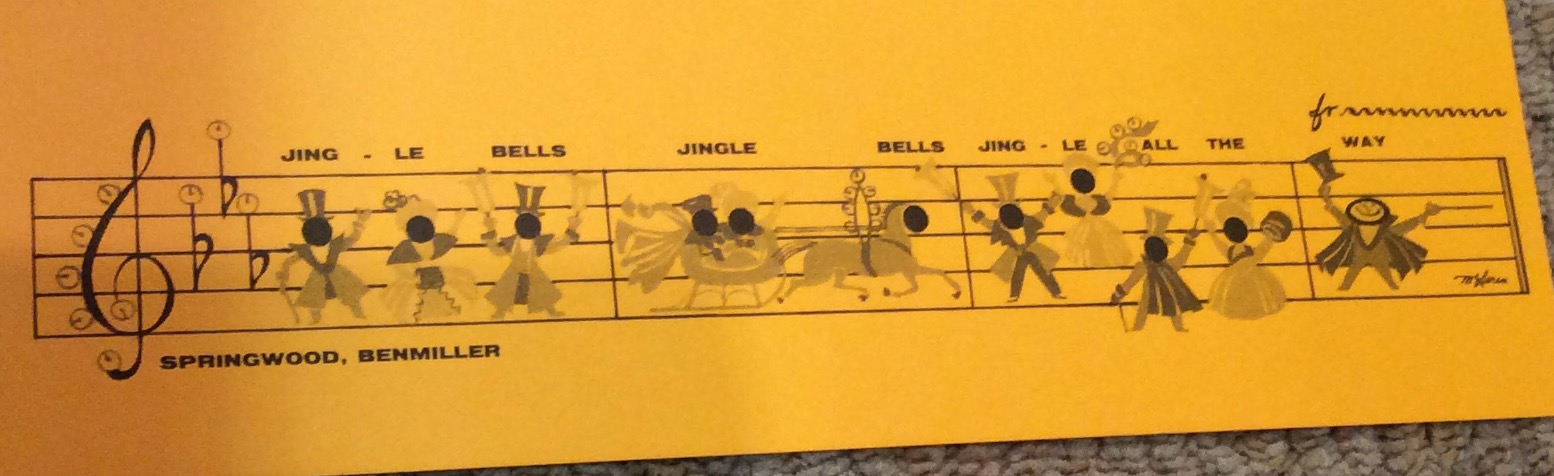
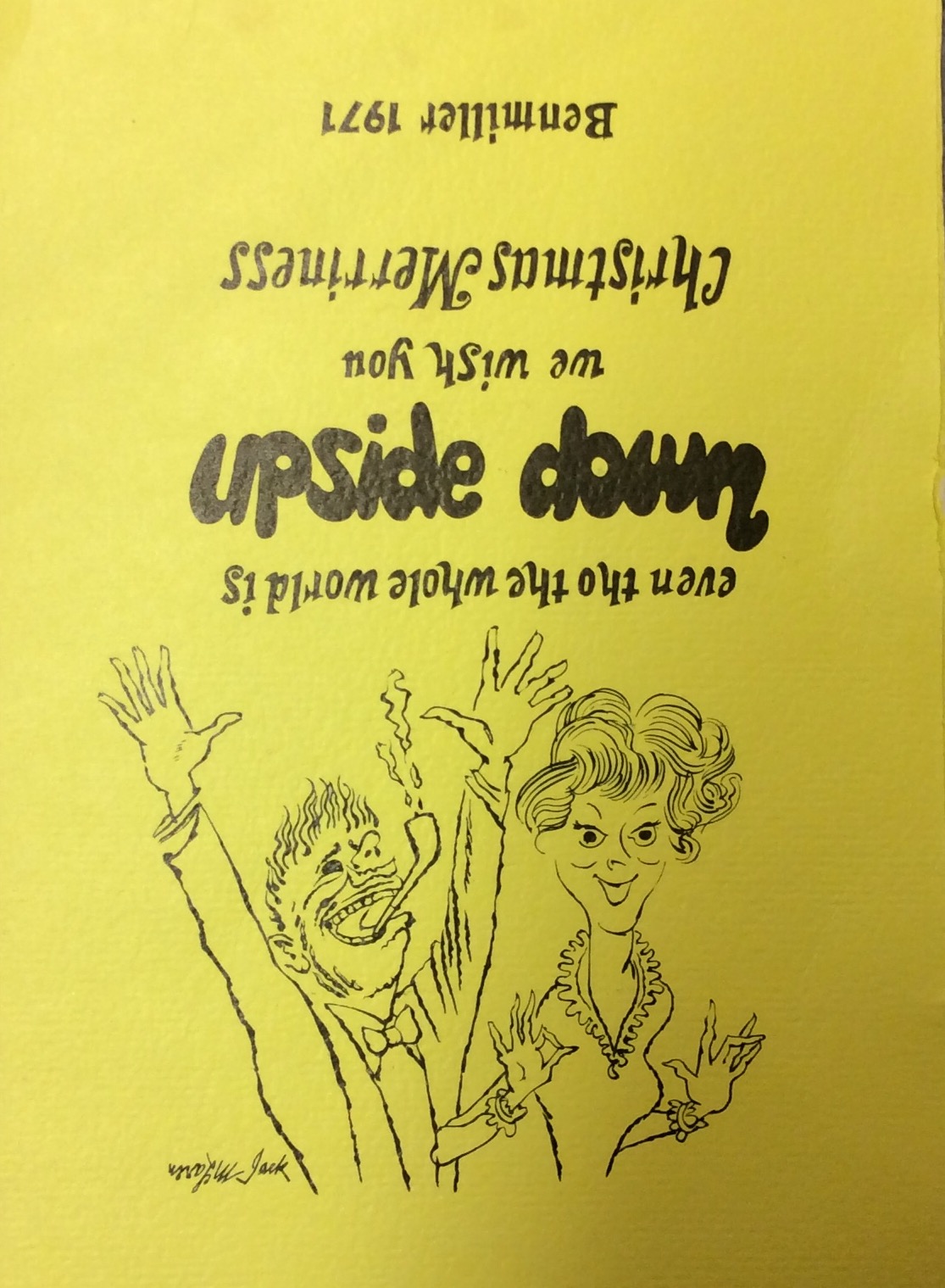
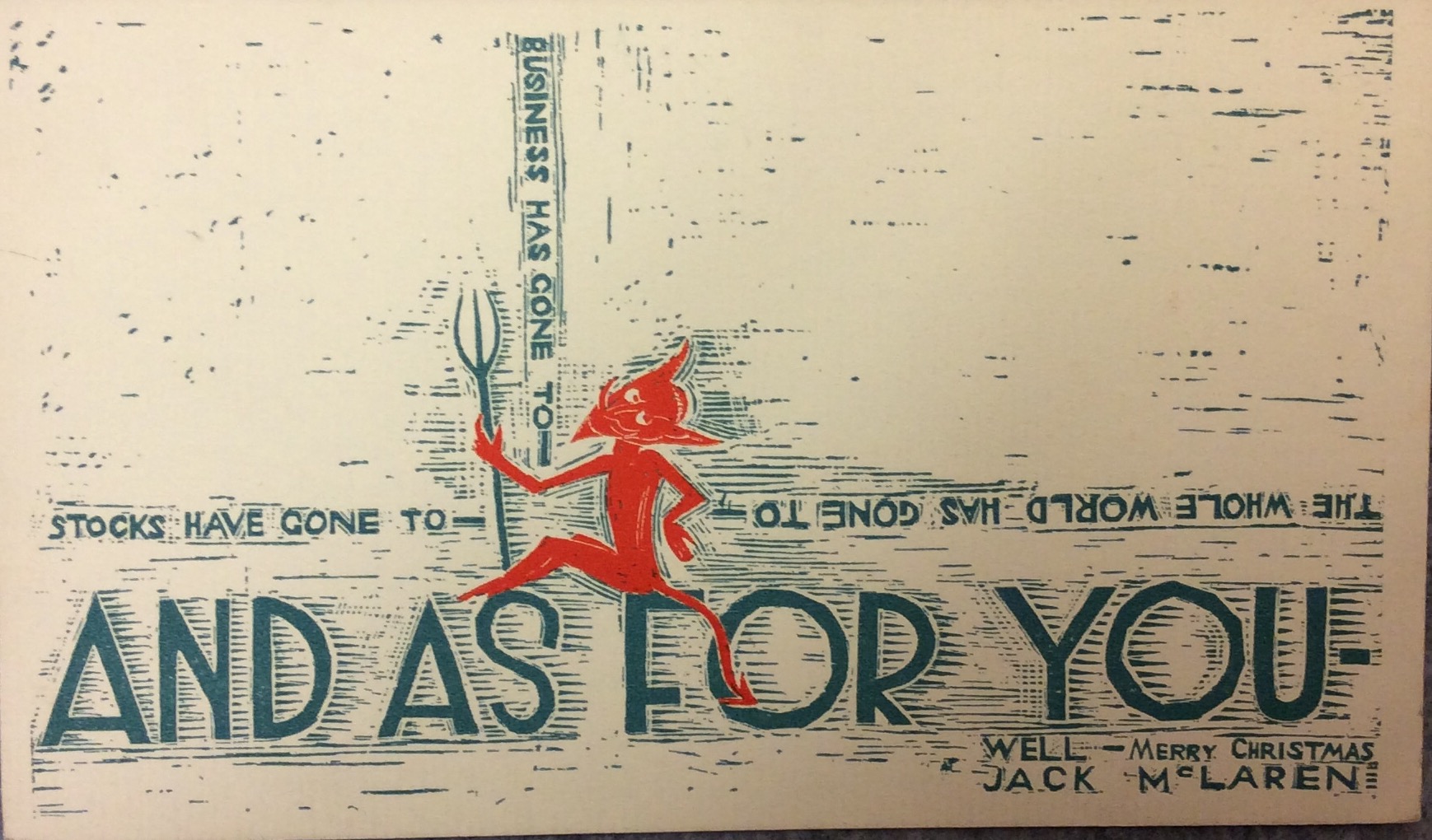
And, of course, we couldn’t share our Christmas card collection without sharing a selection of cards from artist Jack McLaren, who is the subject of our exhibit Reflections: The Life & Work of J.W. (Jack) McLaren. Depending on the year, his collection includes some happy and cheerful seasonal greetings….
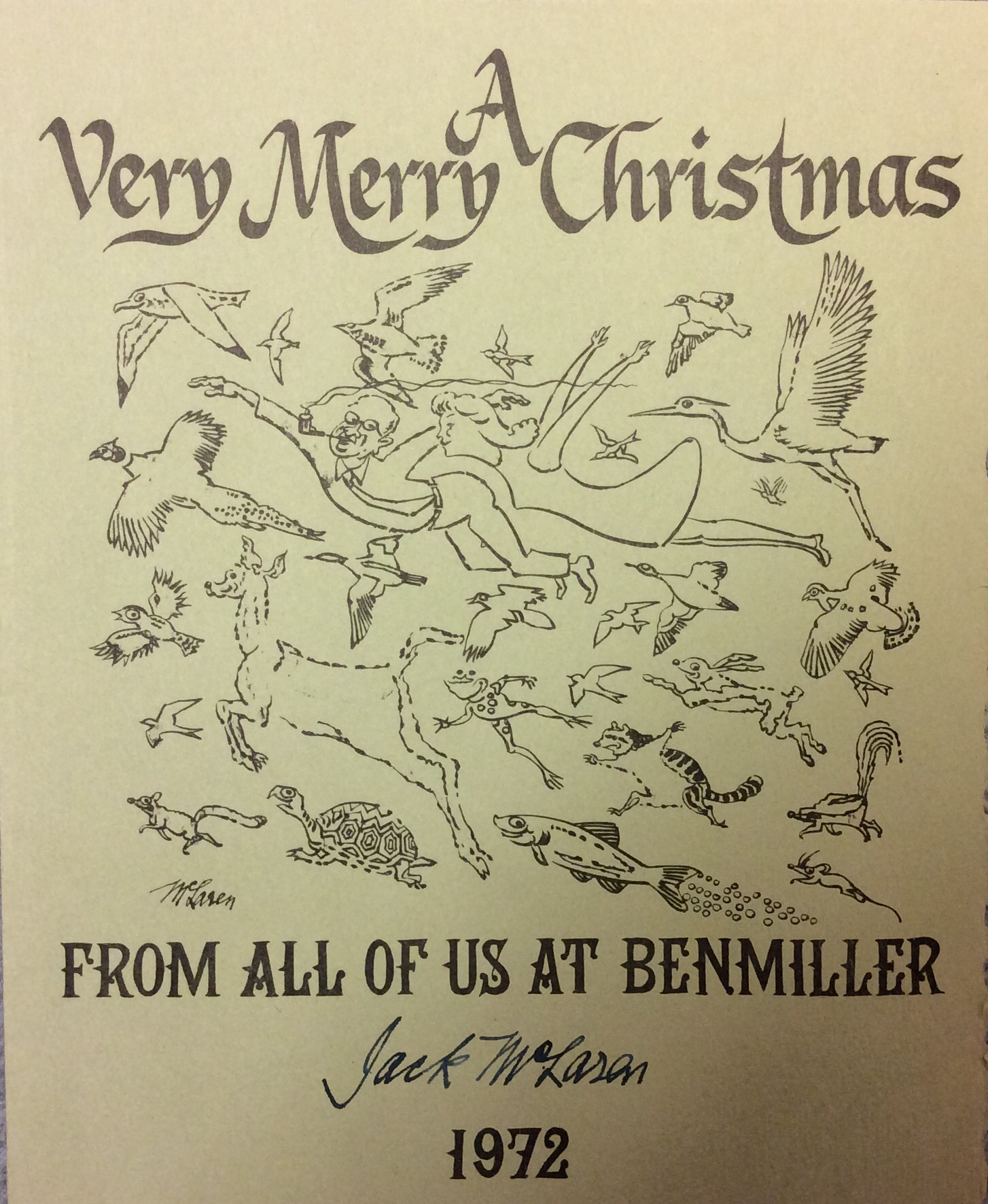
And some that seem appropriate for the 2020 holiday season…
by Amy Zoethout | Oct 26, 2020 | Archives, Blog, For Teachers and Students, Investigating Huron County History, Uncategorized
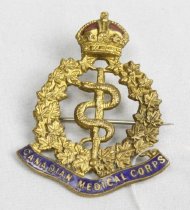
This military badge is from the Canadian Medical Corps worn on a Nursing Sister uniform by Maud Stirling, a First World War Nursing Sister. This artefact is one of more than 3,000 artefacts currently available on the Huron County Museum’s online collection.
by student Museum Assistant Jacob Smith
As a final year history student, I have grown accustomed to spending several hours preparing and writing essays. This is an important skill that takes years of practice. If you are developing an essay that is based on local history, the Huron County Museum & Historic Gaol has several resources that can aid you in your studies.
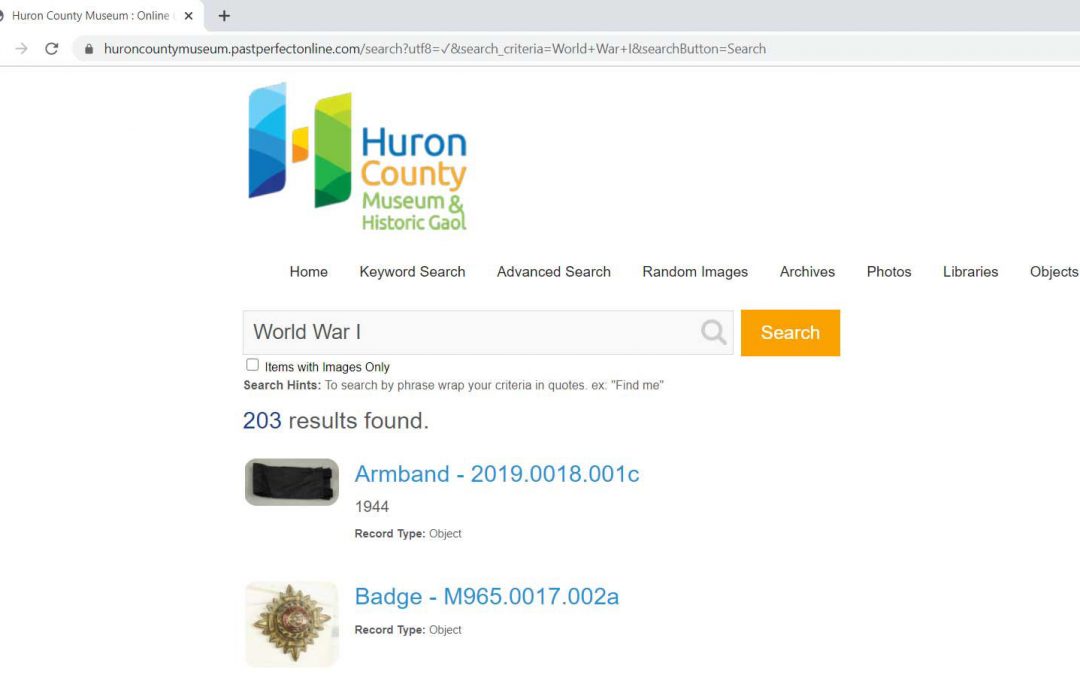
The first research tool is the Huron County Museum & Historic Gaol’s online collection, which can be found here. This is a database where the public can view over 5,000 artifacts and archival materials in the Museum’s collection. This tool provides background information on the artifacts, such as its provenance, dimensions, and past owners, and allows viewers to examine objects that are not currently on display. Examples of objects currently available in the collection include textiles, tools, personal items, furniture, photographs, documents, and much more.
Another excellent research tool is the Huron County Museum’s Digitized Newspapers. Here, researchers can glance at newspapers dating from the mid-1800s to the late-2010s. This database is free, easy to use, and accessible from the comfort of your own home! The digitized newspapers provide a vast wealth of information, ranging from local news and gossip, fashion, and global affairs.
The Huron County Museum & Historic Gaol also has an extensive archives collection. Here, researchers can locate coroner’s inquests, assessment rolls, court records, voter’s lists, and many more. By booking an appointment with the Archivist, researchers have access to a vast collection of resources, and a knowledgeable staff member to assist you.
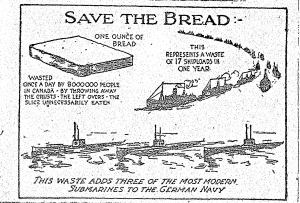
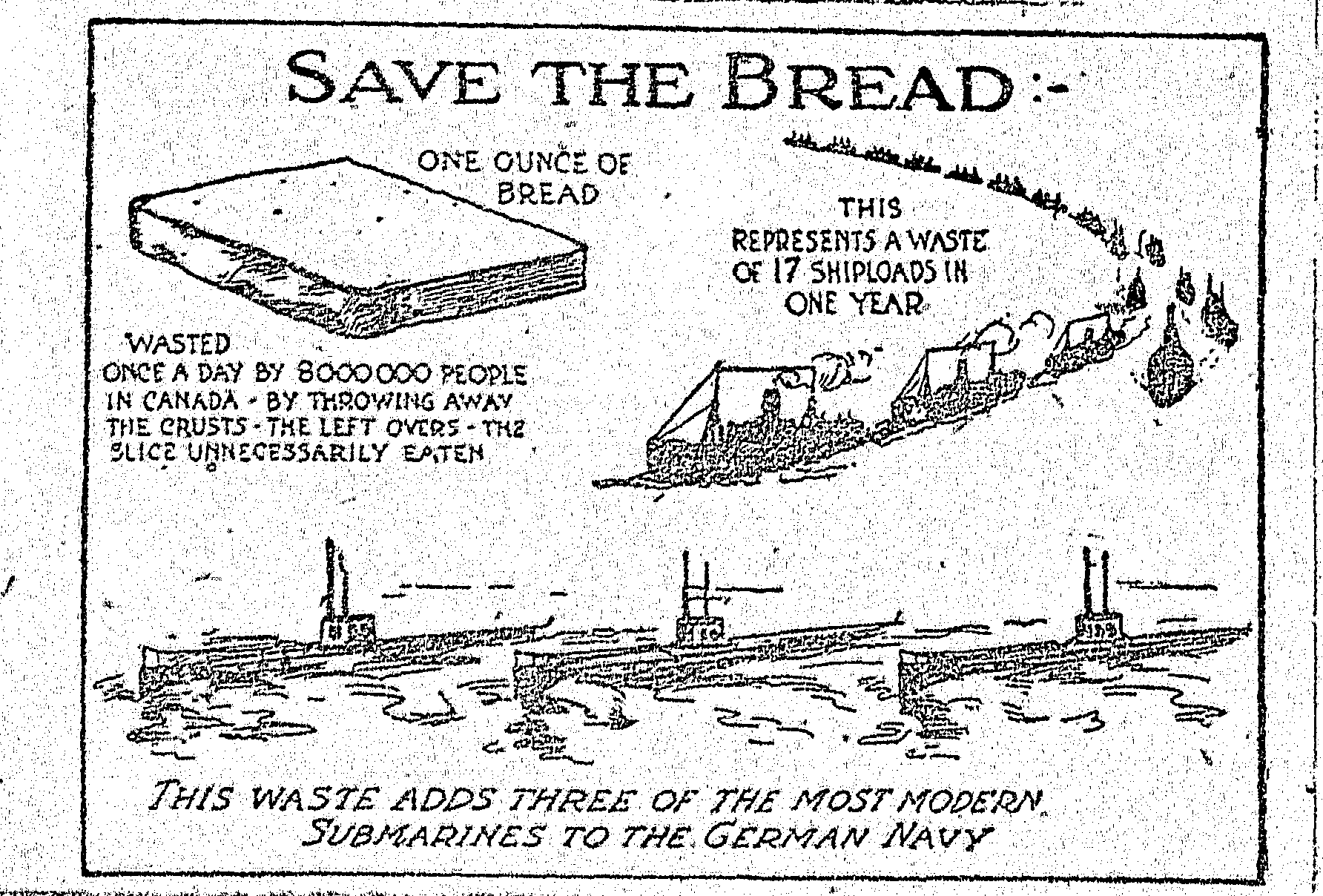
This World War I propaganda poster was found through the Huron County Museum’s digitized newspaper database (Source: The Exeter Advocate, 1918-8-22, Page 2).
A bonus resource! Ancestry.ca is a helpful tool that allows people to research, share information, and connect with others. Sources such as military death, and census records, images, and family trees. This source requires a paid subscription, but often has free trials that allows researchers to access its extensive content. Researchers can also access Ancestry Library Edition free from home until Dec. 31, 2020 with a Huron County Library card.
While writers may feel overwhelmed at the thought of composing a research essay, there are helpful resources close to home or even accessible without leaving home. With the Huron County Museum and Historic Gaol’s resources, writers have the exposure to a wealth of extensive resources, which are readily available from your personal computer. Keep these resources in mind when you are composing your research essay.