by Amy Zoethout | Aug 18, 2022 | Blog, Collection highlights
Brooklyn Wright, Huron County Museum assistant, is working on the Henderson Photographic Collection this summer and highlighting some of the stories and images from the collection. Gordon Henderson was a Goderich-based photographer who produced black-and white photos using a variety of mediums, such as negatives, glass-plate negatives, and cellulose nitrate film. The collection housed at the Huron County Museum and contains more than 10,000 negatives and photographs taken by Mr. Henderson from the 1930s – 1970s. Included in the collection are class pictures, summer camp pictures, wedding pictures, advertising campaigns, pictures of local events, buildings, businesses, and much more.
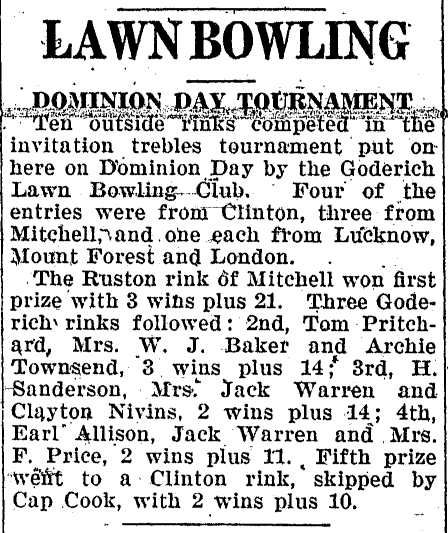
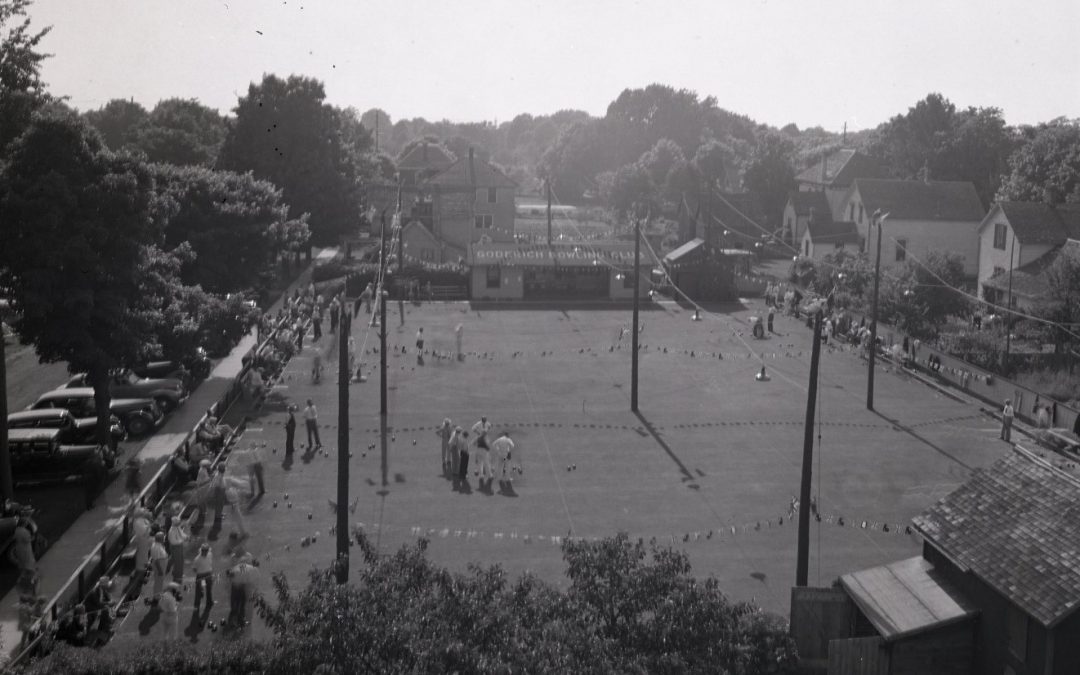
Have you ever gone bowling outdoors? The above image is part of the Henderson collection and shows a tournament held by the Goderich Lawn Bowling Club at the green on Picton Street. The Goderich Bowling Club, which was in full swing in this 1946 image, was active for well over 100 years before closing in 2014.
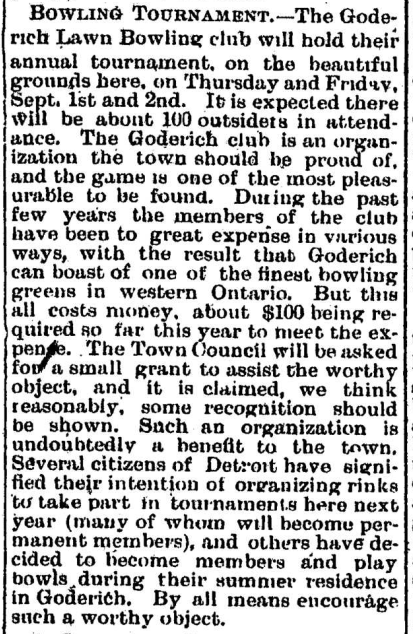
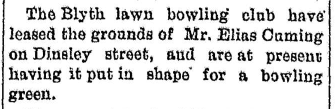
Lawn Bowling was a popular pastime in Huron County, and in addition to the Goderich club, both Clinton and Seaforth had lawn bowling clubs established before the turn of the 20th century. The Clinton Lawn Bowling Club, which opened in 1892, is celebrating its 130th year this season. Other towns were soon to follow suit, with Wingham gaining approval from the town council to start a club in 1901, and the Blyth Bowling Club leasing grounds on Dinsley Street to create a green in 1906.
The Goderich Lawn Bowling Club hosted several events throughout its history, including annual tournaments and special events like the Dominion Day Tournament hosted the same year this photo was taken. During World War One, the club passed a motion allowing free access to the greens for all returning soldiers. The usual annual rate at that time was $5.
For more information about the history of lawn bowling in Huron County, including specific dates, players, and results of tournaments, check out the Digitized Newspaper Collection!
Sources
- About Us – Clinton Lawn Bowling Club (wordpress.com)
- BlackburnNews.com – Goderich Lawn Bowling Folds
- The Huron News-Record, 1895-07-03, Page 1 (huroncounty.ca)
- The Goderich Star, 1898-08-26, Page 1 (huroncounty.ca)
- The Wingham Times, 1901-09-20, Page 1 (huroncounty.ca)
- The Wingham Times, 1906-05-24, Page 5 (huroncounty.ca)
- The Signal, 1918-5-16, Page 5 (huroncounty.ca)
- The Goderich Signal-Star, 1946-07-04, Page 4 (huroncounty.ca)
- The Goderich Signal-Star, 1947-07-24, Page 4 (huroncounty.ca)
The Goderich Signal-Star, 1946-07-04
The Goderich Star, 1898-08-26
The Wingham Advance-Times, 1906-05-24
by Amy Zoethout | Jun 24, 2022 | Archives, Blog, Collection highlights, Museum News, Project progress
Kyle Pritchard is the Digitization Coordinator at the Huron County Museum. With the Digitized Newspaper Collection nearing completion, the project sets its sights on historical records in the archival collection at the Huron County Museum Archives with the assistance of the Department of Canadian Heritage. Consider supporting the digital collection today by donating at the front desk of the Huron County Museum. You can search the digitized newspapers yourself for free at https://www.huroncountymuseum.ca/digitized-newspapers/
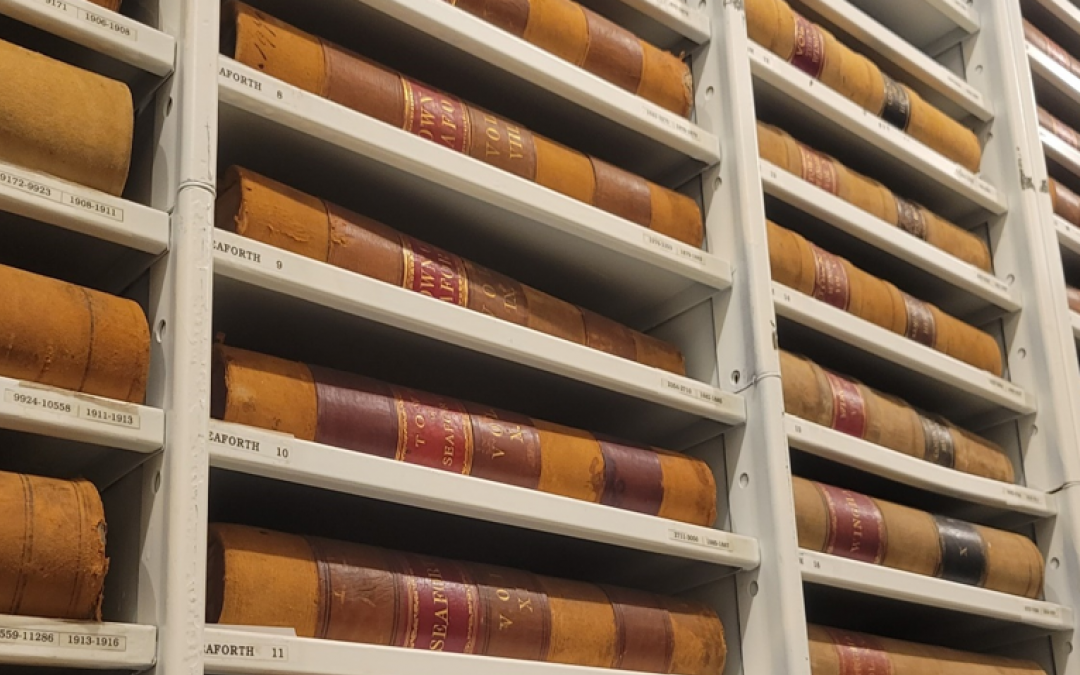
After six long years and the hard work of many, the Huron County Digital Newspaper Project is nearly complete. As the digitization of Huron County’s newspaper collection enters its final stages, the scope of the project is expanding to offer a greater variety of digital content for researcher and the community. Over the coming two years, select archival records held at the Huron County Museum will be added to the online web portal. This has been made possible after Huron County Cultural Services’ digitization project received news it had secured funding with the Department of Canadian Heritage as part of the Digital Museum Assistance Program. The goal of digitizing records in the museum archival collection is to transition our current online repository on the Digitized Newspaper Collection into a digital archive, where a wider variety of source material about local cultural heritage is available for local and academic research, and community engagement.
The Digitized Newspaper Collection has thrived over the last few years, despite the unexpected hurdles, delays and setbacks that have accompanied the trials and tribulations of enduring a global pandemic. In February of this year, the digitization project was awarded the Digital Access to Heritage Grant as part of the Museum Assistance Program, which is contributing to funding the next years of digitization. Huron County’s newspaper digitization also received the Ontario Library Association’s (OLA) Archival and Preservation Achievement Award back in February.
The Huron County Digitized Newspapers Collection began in 2016 to improve access to the enormous volume of local newspaper content previously only available on microfilm and in their physical format. The digitized collection now holds over 550,000 newspaper pages and receives between 7,000 and 9,000 online visitors per year. The papers preserve a century and a half of local historical content and are searchable using OCR (optical character recognition) technology. The collection is designed to assist researchers to advance our understanding of the history of Huron County and its growing community and has proven an invaluable tool for researchers in a wide range of topics, including political, social, cultural and genealogical history. The project aims to increase the accessibility of archival records at the Huron County Museum by increasing researchers’ awareness and knowledge of the collection.
DIGITIZING ARCHIVAL COLLECTIONS
The expansion of the Huron County Cultural Services digitization initiative focuses on five archival collections at the Huron County Museum Archive between now and mid-2024. These are the J.G. Henderson Collection, Huron County Assessment Rolls, CKNX films, rural diaries and the Huron County Return of Inhabitants. The timeline for digitizing archival materials prioritizes the release of content based on popularity, preservation, and the materials contributions to local cultural heritage.
The first of these digitization projects is centred on the J.G. Henderson Collection. The Henderson Collection holds a large volume of materials, including a collection of photographs of particular interest to digitization. The collection is named after J. Gordon Henderson, a photographer who moved to Goderich, Ontario when he purchased a local photography business in 1939. Henderson was the principle photographer of the community during his lifetime. The files in the Henderson collection include local photographs like wedding portraits, candid shots, and captures of day-to-day life. The photography studio in Goderich relocated several times over the years, though most of the portraits taken during WWII were captured at the Hamilton Street studio. Throughout his forty years as a professional photographer in Goderich, Henderson only shot and developed in black and white film. All of the photographs held in this collection were taken by J. Gordon Henderson. Around 500 of these photographs have been selected for digitization based on their ability to highlight community activities and events. Those selected for digitization represent just a small part of Henderson’s collection of professional work held at the Huron County Museum Archives which are of benefit to public and academic research.
The second digitization project are assessment rolls located at Huron County Museum Archives for Goderich, Steven and Hay Townships dated up until 1940. This includes four archival series for Hay township, three archival series for Stephen township, and four archival series for Goderich township. Assessment Rolls provide details of homeownership within the county at various points in history, and are of particular use for demographic and genealogical historians. The records also allow for a closer examination of living arrangements and demographic change over time across the region.

The CKNX films will be the third records to be digitized. CKNX radio station was created by W.T. Cruickshank, which started broadcasting out of Wingham in the mid-1930s. In 1955, CKNX expanded to television broadcasting, becoming the first rurally-based television station in North America. CKNX was a pioneer in broadcast television and set the standard for other rurally-based television-stations across Canada. Crews from CKNX travelled all over Southern Ontario filming parades, schools, sports, and other significant events. The culturally significant films showcase how rural Canadians lived, worked, and enjoyed their time in the early-1960s. There are currently 36 CKNX films in the Huron County Museum Archives, which range in content from depictions of local scenery, architecture, organizations and businesses. The project will digitize half of this collection, prioritizing films with important historical value which showcase the local environment and activities involving community engagement.
The Huron County Museum Archives holds a small collection of historical diaries written by members of the local community which will be the fourth set of records to be made available digitally. The majority of the diaries date to the turn of the 20th century, with some written during the Victorian period and others written during the First World War. Historical diaries are hidden gems inside the archival stacks. Often underutilized, historians are only now beginning to discover the value of these rich sources of rural, family and community life. Eight of these diaries were transcribed during a research project in 2017, and their transcriptions will be made available online alongside the digitized diaries.
Lastly, the Huron County Museum Archives holds the Assessment and Return of Inhabitants records for 1842 to 1850, which will mark the final project to be digitized. Records from the return of Inhabitants can quantify the demographics of local populations over time and offer a window into the settlement of the county. These are popular archival records requested by researchers and the community at a higher degree of frequency than other records in the collection. Due to their age and wear, the digitization of these records is important for the long-term preservation of the original documents.
CONCLUSION
The next phase of digitization aims to diversify the digital content available within the collection by focusing on archival materials which capture local cultural heritage through a variety of mediums, which depict a fuller image of rural life and day-to-day experiences within the community. These include archival photographs, diaries, films and government records. The digitization of these archival records is an important contribution to local history and serves the benefit of preserving some of the most popular records in Huron County’s archival collection.
by Sinead Cox | Oct 11, 2021 | Blog, Collection highlights, Exhibits, For Teachers and Students
If you are a teacher or student looking for local stories from Huron County for your Remembrance Day lessons or assignments, you can access the Huron County Museum’s collection from home and your classroom through our virtual offerings! These resources speak both to Huron County’s military history and to the home front during the First and Second World Wars.
Videos
Our War: Home Front
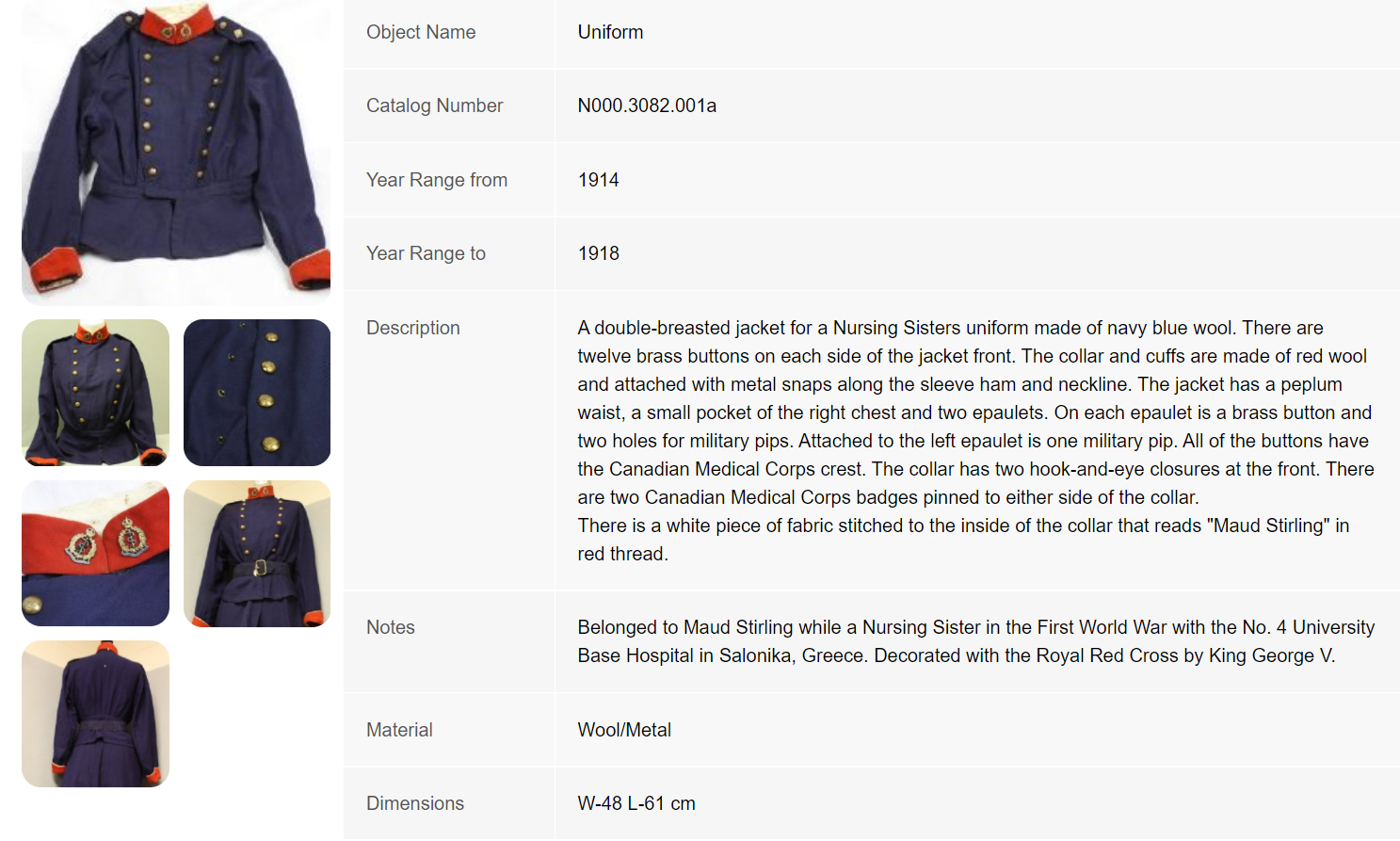
Our War: Nursing Sisters
Young Canuckstorians: The Maud Stirling Story
Jack McLaren: A Soldier of Song features a presentation and performance from author and musician Jason Wilson, based on the original works of the Dumbells, a Canadian concert party that entertained the troops on the front lines in World War I and featured Jack McLaren (later a resident of Benmiller).
The History of Drag Makeup Tutorial with Lita explains how drag performers improvised wigs, makeup and clothing at the front lines.
A reading of a WWII letter from R.C.A.F Pilot Officer Alan H. Durnin to Mrs. C. Blake of RR 1 Dungannon
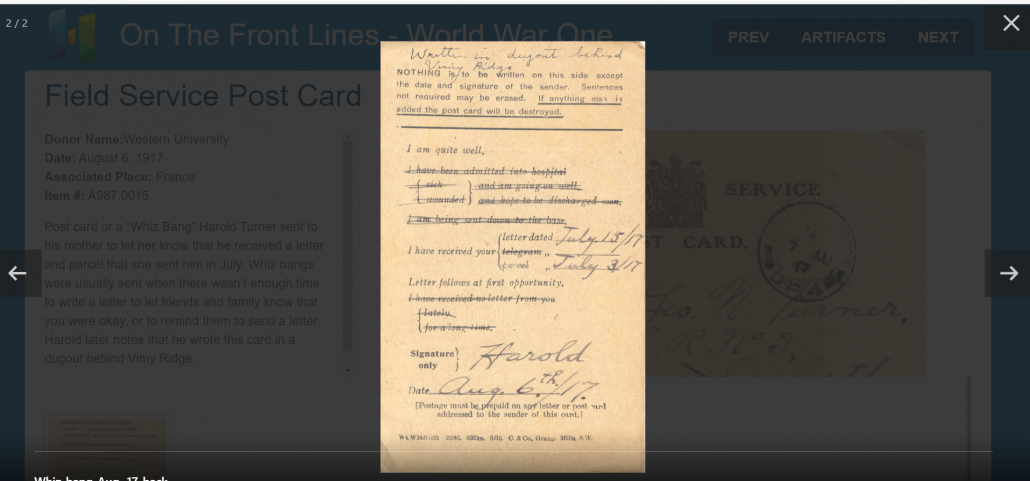
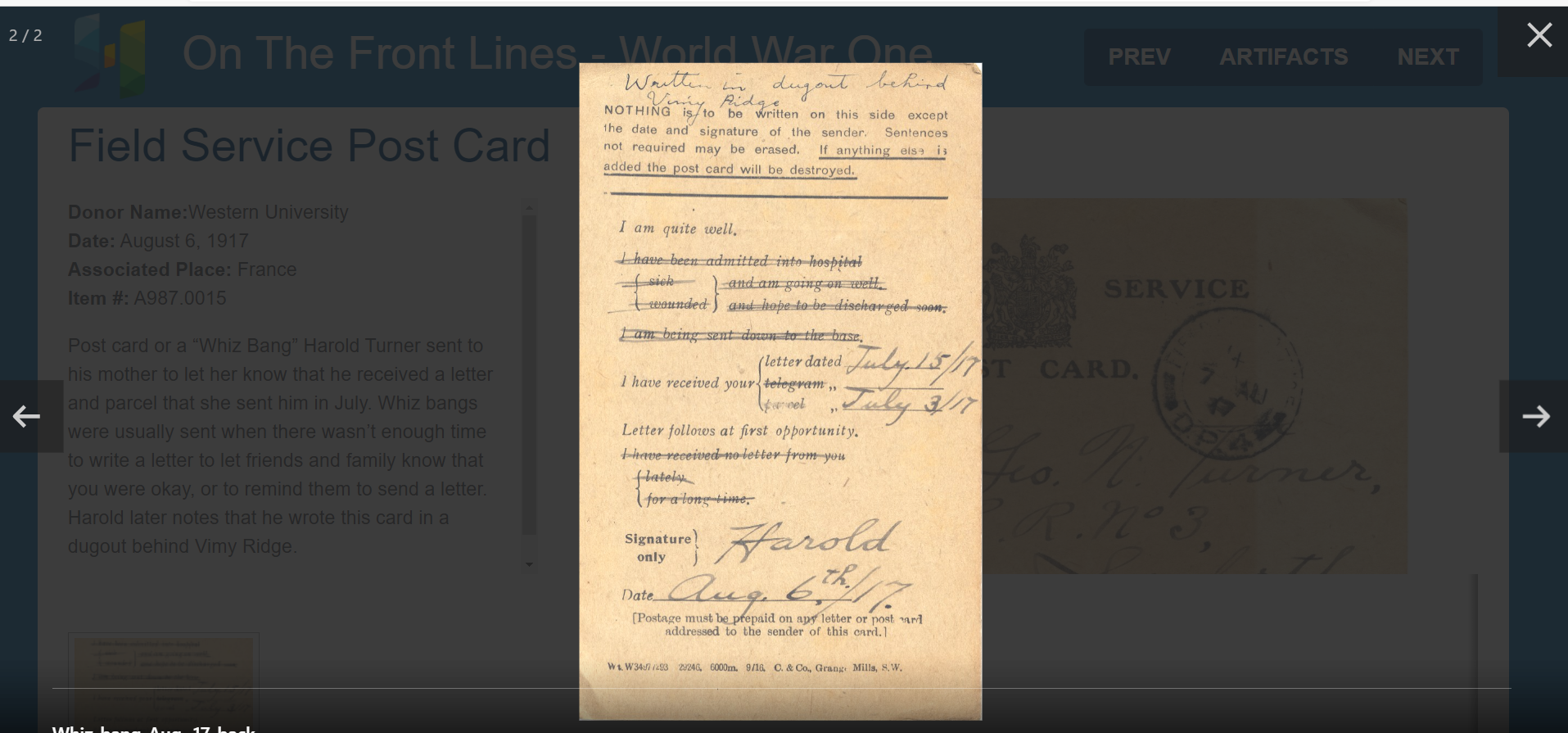
On the Front Lines: Word War One virtual exhibit.
Virtual Exhibits
Part of the museum’s collection of photographs by local photographer J. Gordon Henderson have been digitized. During World War II, he travelled to air training schools in Goderich, Port Albert, and Clinton taking pictures of classes and other base activities. Many airmen came to his studio in Goderich to have their portraits taken to send home to family and friends. The Henderson Collection also includes wedding portraits, candid shots, correspondence and interviews with airmen related to WWII air training in Huron County. Access the virtual Henderson collection by clicking here!
You can also browse more photographs via our Flickr page!
See archival documents from the Huron County Museum’s collection in our Military Gallery virtual exhibits:
On the Front Lines: Word War One
The Home Front: World War One
Prominent artist and Benmiller resident J. W. (Jack) McLaren fought with the Princess Patricia Canadian Light Infantry in WWI, and entertained troops at Ypres Salient, Vimy Ridge and many other locations on the Western Front with the PPCLI Comedy Company and the 3rd Division Dumbells Comedy Troupe. Find out more about Jack and entertaining at the front through the virtual version of our 2020 Reflections exhibit, which was presented in partnership with the Huron Historical Society.
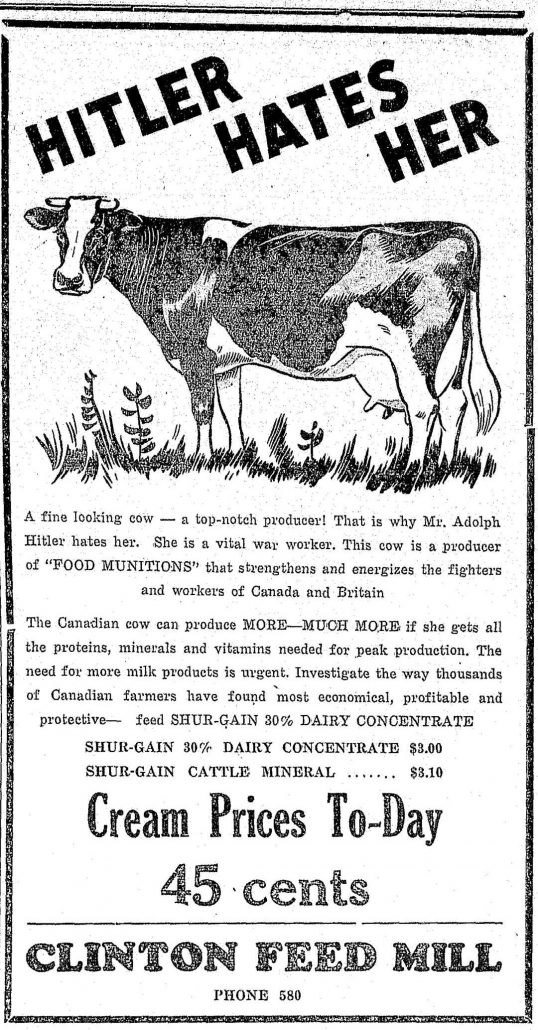
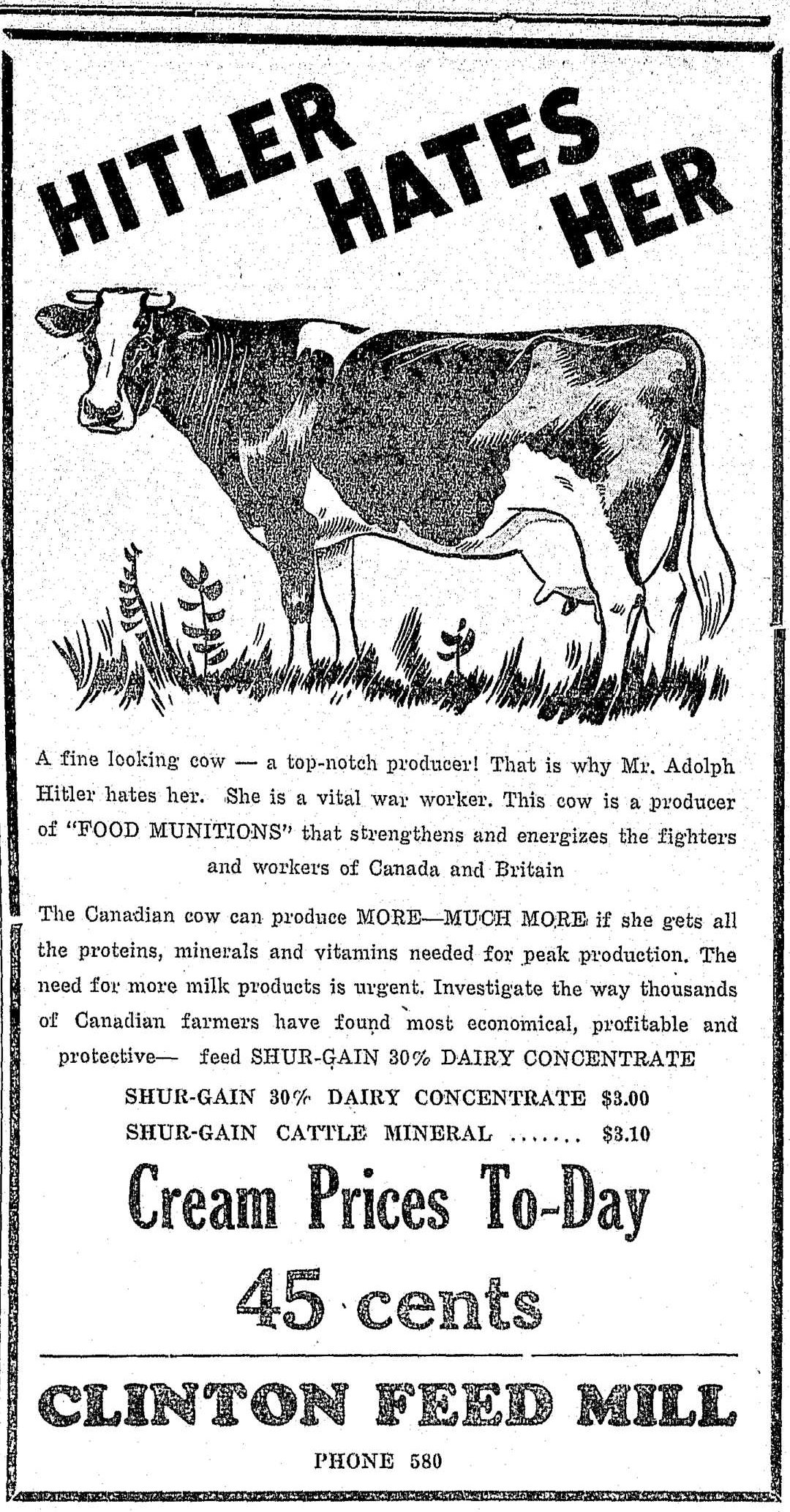
Clipping from Huron County’s digitized newspapers. This ad appeared in the Clinton News-Record in 1942 and 1943.
Articles & Short Posts
A Closer Look: The M4A2E8 Sherman Tank
The Huron Jail & the Second World War Part 2: A STRANGE MUTINY ON THE GREAT LAKES
The Huron Jail & the Second World War Part I: THE ‘DEFENCE OF CANADA’ IN HURON COUNTY
Newspaper Man Enlists: Huron County and the First World War in Black & White
Collection Highlights from Remembrance Day 2014
The Mystery of the 4th Toe on the Left Foot
Local Girl Leaves for the Front
Love is in the Air
Dogs of Air Training (Part 2)
Dogs of Air Training (Part 1)
Education Programs
The Huron County Museum’s ‘Huron County and the World Wars’ program is recommended for grades 5-10, and is offered as both an in-person and virtual field trip. There is also public outreach available by request with our Huron County home front reminiscence kits. Click here to find out more about our Education Programs.
Email museum@huroncounty.ca to inquire about booking an in-person or virtual program.
Research Resources
Click to search more than a century of history via Huron County’s digitized newspapers: free, online and keyword searchable. The newspapers provide a wealth of information on local soldiers and nursing sisters, including casualty reports and letters from the front. You’ll also find detailed information about life and work on the home front, including wartime advertising.
Or Click here to search a selection of the museum’s archives and artifacts via our online collection. Relevant artifacts include uniforms, photographs, medals and memorabilia from British Commonwealth Air Training bases in Huron.
Book List Check out this reading list related to local WW1 and WW2 history, available through the Huron County Library.
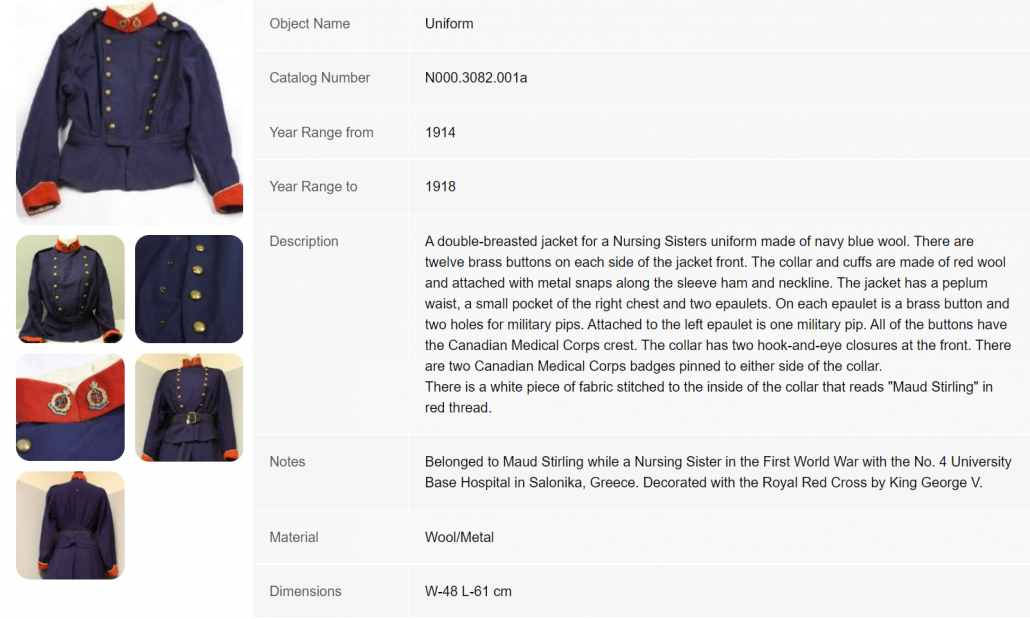
Nursing Sister Maud Stirling’s uniform in the Huron County Museum’s searchable online collection.
by Amy Zoethout | May 20, 2021 | Blog, Collection highlights
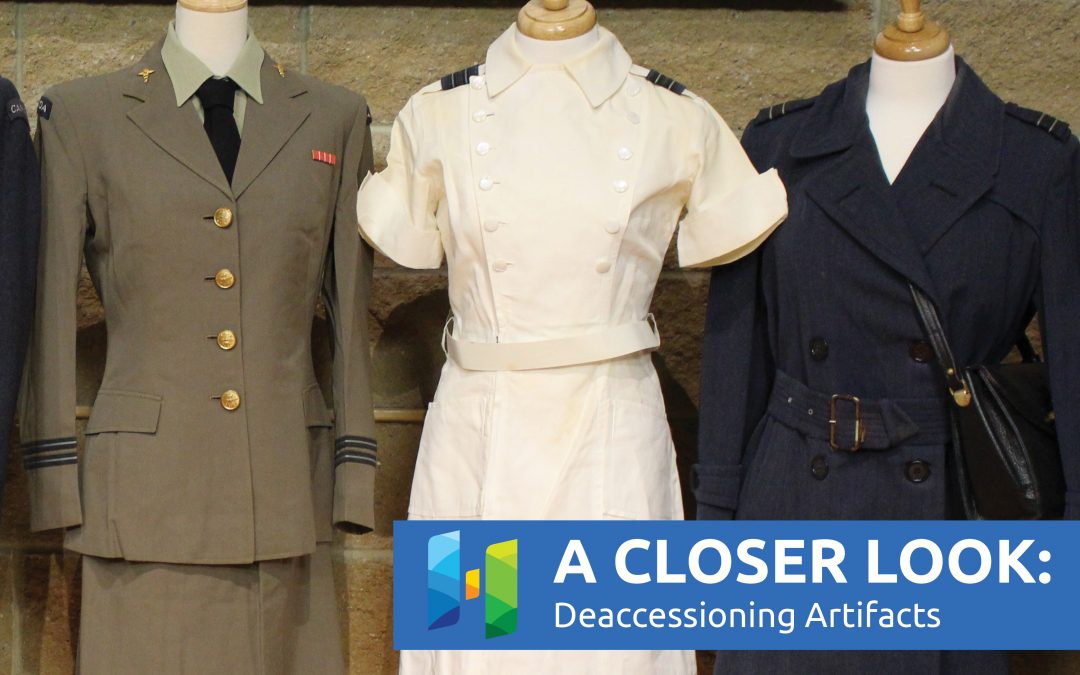
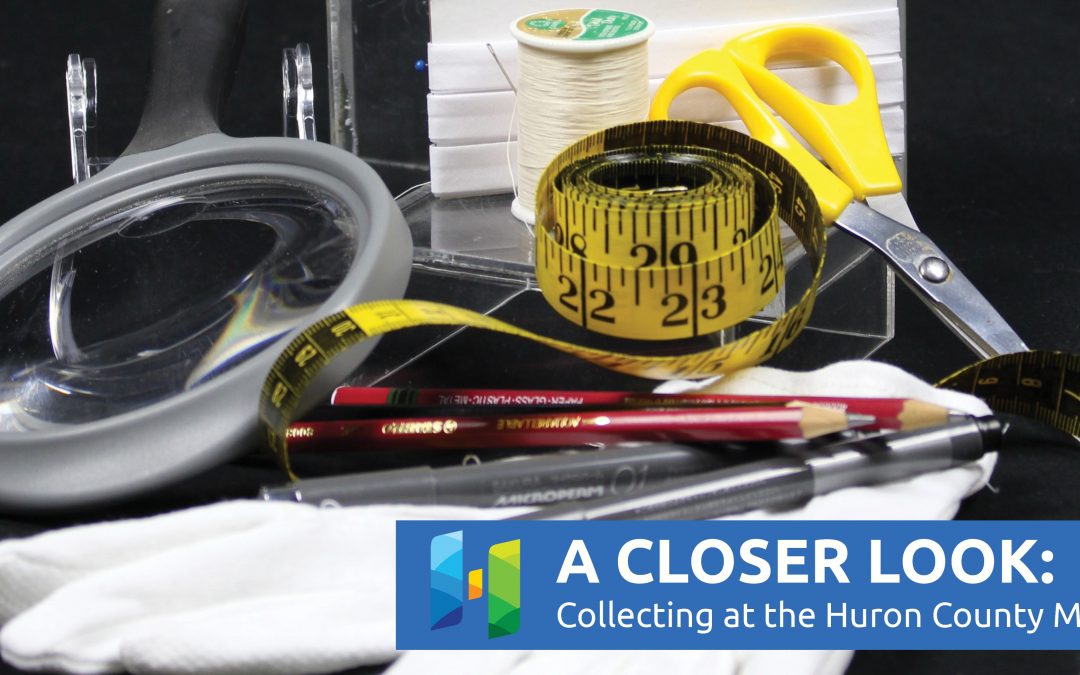
Take a closer look at the Huron County Museum & Historic Gaol and its collections as staff share stories about some well-known and some not-so-well-known features, artifacts, and more. In the last of a three-part series, Registrar Patti Lamb takes a closer look at deaccessioning artifacts from the Museum’s collection. Read Part 1 on Museum’s Secret Codes and Part 2 on Collecting at the Huron County Museum.
The Collection at the Huron County Museum is quite large and began with the collection of Joseph Herbert (Herbie) Neill. When Mr. Neill opened the Huron County Pioneer Museum, he brought his own collection and many people continued to donate more items regularly to the Museum. The Museum has actively been collecting artifacts since 1951. In the early days, the collections mandate was greater and objects came into the Collection from all over Ontario and in some cases other parts of Canada. Since that time, there has been an increase in the number of County and Municipal museums, as well as independent museums with specific collections focus.
Presently, many museums are focusing on refining their collections. Previous collecting without a mandate has resulted in museums having a lack of storage space, overcrowding, and items outside of their current mandates. Museums have been encouraged to have a Collections Policy and Collecting Mandate. In the case of the Huron County Museum, items coming into the Collection must have historical relevance to Huron County. Part of the Collections Policy must also be a policy on deaccessioning.
Deaccessioning is the process to officially remove an item from the listed holdings of a museum. It is never taken lightly and has very strict policies and procedures associated with it. Rules and regulations from the Ontario Ministry of Heritage, Sport, Tourism and Culture, as well as County and Museum policies must all be adhered to. The Huron County Museum has actively started to look at deaccessioning as a way to refine the Collection to be more clearly Huron County focused and to make the best use of current storage space.
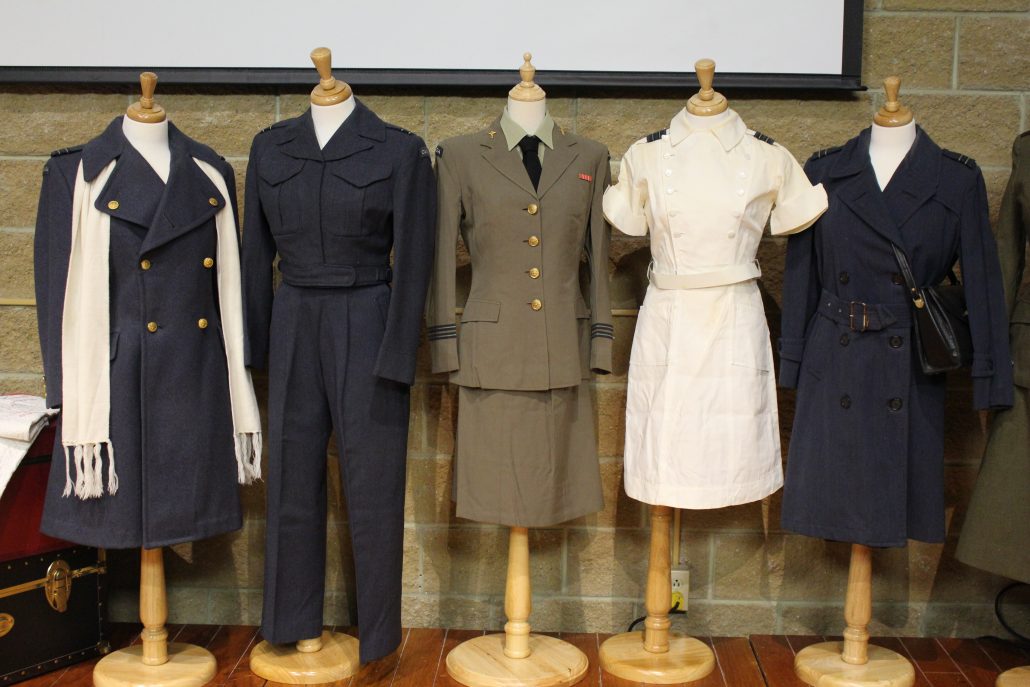
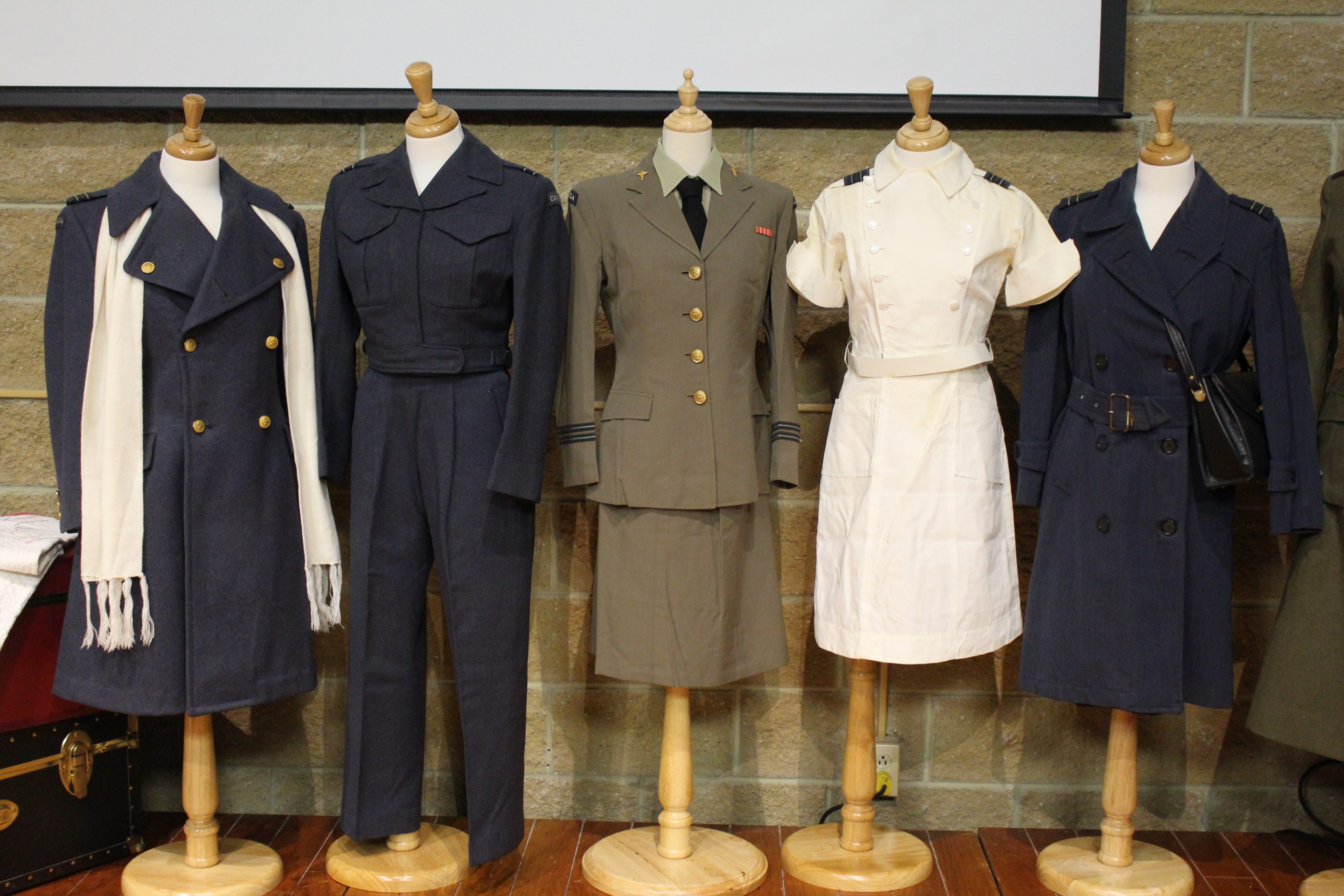
These uniforms were recently deaccessioned from the Museum’s collection and transferred to the Bruce County Museum, as they were worn by Captain Shirley M. Robinson CD, from Kinloss Township, who was a Nursing Sister in the Canadian Forces.
The two main factors for deaccession are non-Huron County relevance or condition. If while searching the database, we find an artifact that was manufactured or used somewhere other than Huron County it could be considered for deaccession. However, place of manufacture is not the only factor. For example, a plow or coat that was manufactured somewhere else but was used to plow the fields for 40 years in Colborne Township, or worn by a women from Exeter on her wedding day, makes it relevant to Huron County. If an artifact is in poor condition, and as such could cause damage to other artifacts or effect the safety of staff and visitors, it would also be considered for deaccession. Mr. Neill’s original collection would not be included in the deaccession process.
Occasionally, the Museum will be offered an artifact that has a strong story or provenance but is similar to several others already in the Collection. In this case, the Registrar will do research into the Collection by searching the database and files to find out the relevance of the other similar objects. If there are similar objects with no history, relevance, or in poor condition they may be considered for deaccession making room for the new object.
Once an object has been identified for potential deaccession, the Registrar will prepare a report to be presented to the Huron County Museum Collections Committee. This report includes any known information about the artifact and reasons why it should be deaccessioned. If the Collections Committee also finds that the artifact should be deaccessioned, the report is forwarded to County Council for approval. If County Council approves, then the deaccessioning process can begin. The object will then go through the following options until the appropriate one is found:
- Transferred to the Huron County Museum & Historic Gaol “hands on” educational collection.
- Offered as an exchange, gift or private sale to other public museums, or similar public institutions.
- In the event that the artifact is not disposed of to the Canadian museum community, it may be deaccessioned through public sale. All monies obtained through the sale of deaccessioned objects will be used only for collection acquisition and care.
- As a final option, the artifact will undergo intentional destruction before witnesses by designated museum personnel or disposed of in a fashion (such as to a scrap metal dealer) which ensures it cannot be reconstructed in any way.
Signed paperwork and photographic documentation for all the above options is required and added to the object record. In most cases, option number two is the one that is used. The Registrar contacts the appropriate museum in the area that is most relevant to the object to discuss the transfer of the object. Since 2013 to the end of 2020, 439 objects have been transferred to other museums or institutions, returning them to the geographical areas where they truly belong and thus allowing the local residents and tourists of the area to enjoy, learn, and discover them.
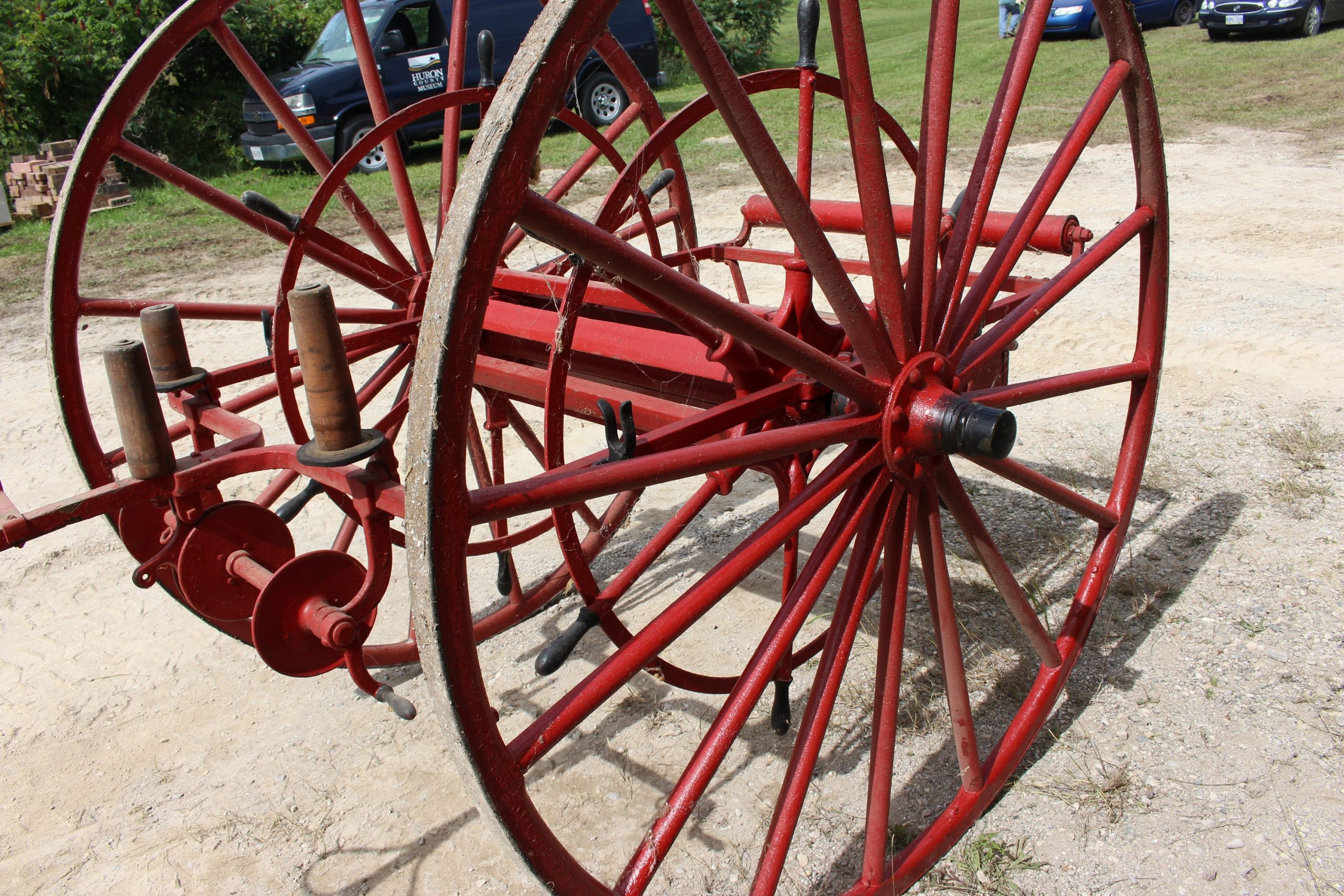
This Fire Hose Reel was deaccessioned and transferred to Lambton Heritage Museum. It was used at Imperial Oil Refinery at Sarnia in 1892.
by Amy Zoethout | May 19, 2021 | Blog, Collection highlights
Take a closer look at the Huron County Museum & Historic Gaol and its collections as staff share stories about some well-known and some not-so-well-known features, artifacts, and more. In the second of a three-part series, Registrar Patti Lamb takes a closer look at the Museum’s collections and the process of accepting and cataloguing donations into the collection. Read Part 1 on Museum’s Secret Codes and Part 3 on Deaccessioning Artifacts.
Visitors and members of the general public are often curious as to what happens behind the scenes at the Huron County Museum. Questions commonly asked to the staff are: what happens to the “stuff” once it’s donated; what does the collections staff do; where does the museum put all the “stuff”; and what happens when the museum is done with it? These are all really good questions and this blog is an attempt to share the different roles of the Collections staff and what happens when someone has donated something to the Museum.
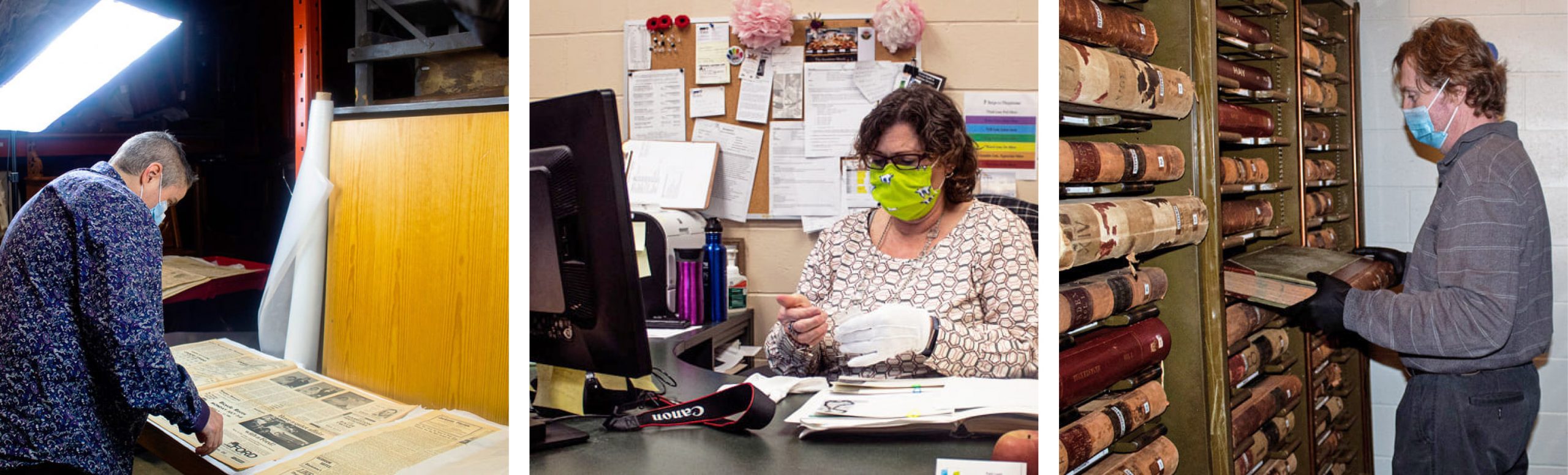
Museum Technician Heid Zoethout, Registrar Patti Lamb, and Archivist Michael Molnar are three of the primary roles within the Museum’s Collections staff.
A Collections Team
There are three primary roles within the Collections staff. They are the Archivist, Museum Technician, and Registrar. Each role works separately within their own individual job descriptions but they all work together as a team.
The Archivist is responsible for the archival collection which includes all paper based, 2 dimensional items such as photographs, documents, diaries, and minute books. The Archivist processes donor forms; documents and catalogues the donations of archival material; and conducts research for or assists with research for others.
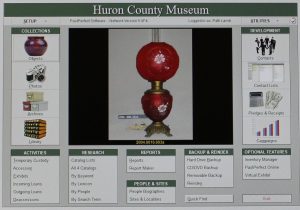
PastPerfect is the Museum’s Collections Management System
The Museum Technician is responsible for the housing and location of the artifacts. The Technician makes sure the artifacts are stored properly; are safely handled and displayed in ways that are not damaging; and locates the artifacts in the museum buildings and the collections database. This role also monitors temperature, humidity, and light levels.
The Registrar looks after the documentation of donations of three-dimensional objects; processes donor forms; catalogues the artifacts to include detailed descriptions and provenance; photographs the artifacts; and maintains PastPerfect, the Museum’s Collection Management Software. This role also looks after the documentation of incoming and outgoing loans as well as conducts research on objects in the Collection.
How to Donate to the Collection
When someone is interested in making a donation to the Huron County Museum, they need to contact the Archivist for archival material, or the Registrar for three-dimensional objects. This blog is going to focus on three-dimensional object donations, but the process is basically the same for archival material. Anything being considered for donation to the Museum must meet the collections mandate or criteria. Items must have historical relevance to Huron County, meaning they must have been used or manufactured in Huron County, or have a significant provenance (history) that ties them to the County. Artifacts should also be in good condition.
Once contacted to inquire about donating items, the Registrar will chat, either by phone or email, with the potential donor to determine the relevance of the items. Usually the donor will be asked to email some photographs of the object(s) so the condition can be determined and to make clear what the object is they wish to donate. Most times the donor will not be given an acceptance or denial answer right away. The Registrar wants to look at the potential donation, and take some time to do a search in the database to see if there are duplicate items such as the ones that are being offered. If the Museum does have several similar items, it needs to be determined if the ones in the Collection have a detailed story or history associated with them or if the new item would tell a better story.
Once it has been determined that the artifact will be accepted into the Collection, an appointment is made between the Registrar and the donor to bring the item to the Museum. At that appointment, gift forms (donor forms) are prepared by the Registrar for both the donor and Registrar to sign. Included on the form is the donor’s name, address, and contact information; item(s); and a detailed history (provenance) about the item. Information also includes where, when, and how it was used; by whom it was used; and how the donor came to have it.
By signing the donor form, the donor is stating that they have the legal right to the item and can therefore sign ownership over to the Museum. Once the form is signed, the artifact becomes the legal property of the Museum. If the donor wants an income tax receipt for their donation a further step will be taken. Prior to the appointment, the donor must obtain a written appraisal of the artifact. The appraisal must be on the letterhead of the appraiser or antiques dealer and accompany the donor to the appointment. The appraisal is given to the Registrar with the artifact and once the gift forms are signed, an income tax receipt will later be prepared and mailed to the donor.
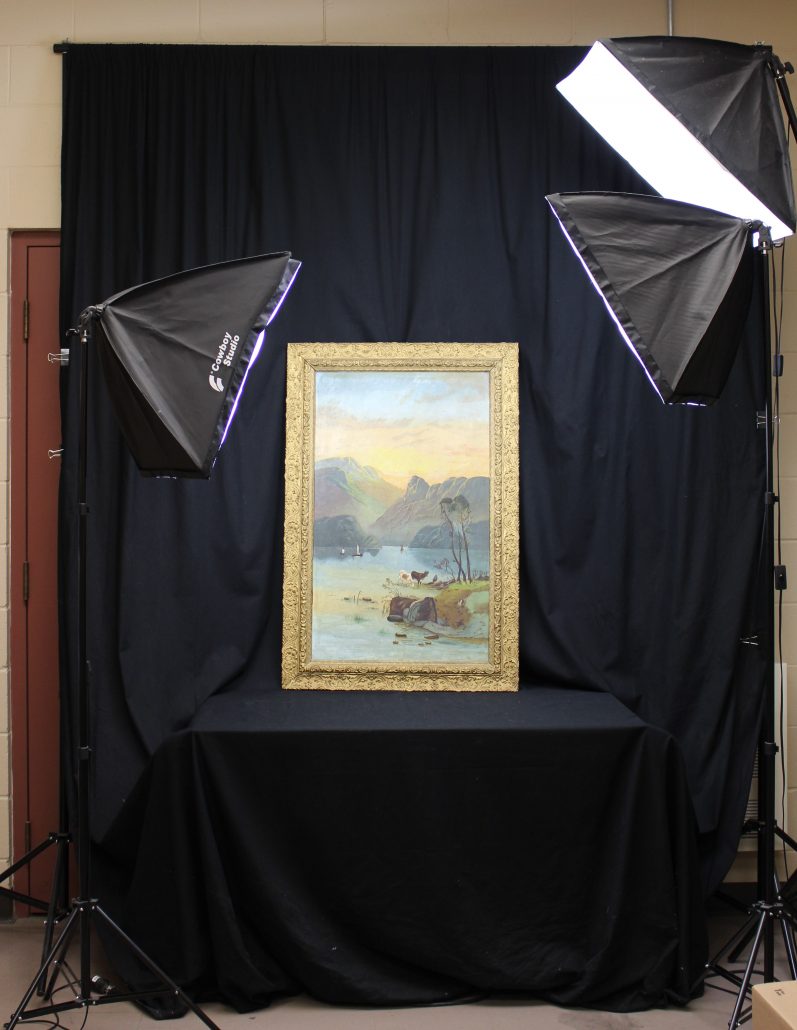
Photographing an artifact is the last step in the cataloguing process.
Cataloguing the Donation
When the paperwork is complete, the cataloguing process can begin. Cataloguing an artifact includes assigning an object ID number and documenting as much information as possible about the object. A detailed description is required describing all the physical attributes of the item such as measurements, colour, material makeup, condition, and functionality. The record will also include how, where, and when the object was used. Often research is involved to discover important facts regarding the object, the family that used it, or the business from where it came. The history of an object is just as important as the object itself. For example, a quilt is just a quilt, but a quilt with a good description and detail about why it was made, who made it, who used it, and where it was used makes it much more interesting and relatable.
An object ID number is then added to the object in a way that does not damage the artifact. Textiles will have a cloth label sewn onto them and objects with harder surfaces have a number added that is removable should it need to be.
The last step in the cataloguing process is photography. Each object is photographed in detail showing all sides, close ups of significant or interesting parts, and any condition issues such as cracks or peeling paint. Photographs are then added to the record in the database and ultimately uploaded with the record to the Online Collection, which features over 6,000 artifacts from the Museum’s collection.
When the object is completely catalogued, it is placed in a temporary location in the main storage area for the Museum Technician to then find it a permanent home. The permanent location is documented in the database so the artifact is accessible to go on exhibit or loan, or be used in research when needed.
by Amy Zoethout | May 4, 2021 | Artefacts, Collection highlights
Take a closer look at the Huron County Museum & Historic Gaol and its collections as staff share stories about some well-known and some not-so-well-known features, artifacts, and more. Acting Education and Programming Coordinator Dan Genis looks at the Museum’s record collection.
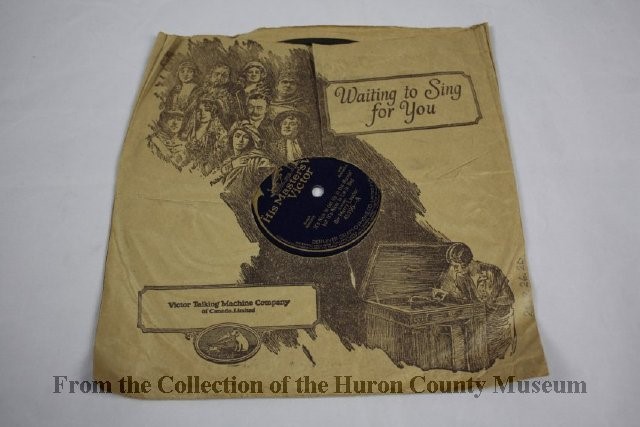
Record sleeve advertising the Victor Talking Machine Company of Canada Limited, featuring the slogan “Waiting to Sing to You.” Contains an early 1920s record by Harry Lauder. 2018.0026.002b
Did you know that Huron County Museum has a record collection?
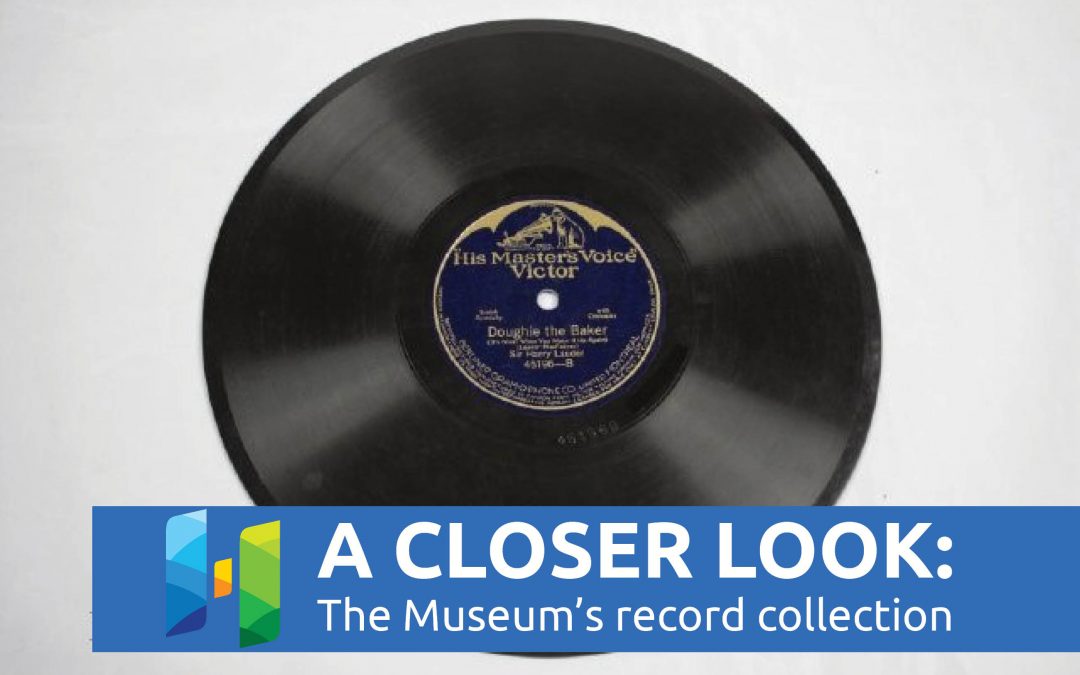
While you might assume that record collections only belong to hardcore music fans or collectors, the Huron County Museum has an impressive record collection of its own. The museum collection contains almost 200 records, largely dating from 1900-1970. Music is a vital part of a community’s culture, which makes music-related artifacts important as well.
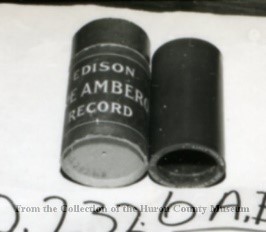
An Edison Blue Amberol phonograph record released in 1913. This 4 minute 17 second record plays “Alice Where Art Thou?” by Ernest Pike, originally composed by Joseph Ascher. M960.0232.006a
The collection begins with phonograph cylinders, commonly called “records”. Like the one in the above picture, the cylinders were meant to be played on a phonograph. Invented by Thomas Edison in 1877, early phonographs recorded sound as small grooves on a wax (later plastic) cylinder. To play the recording, the cylinder rotated and a stylus traced over the grooves and vibrated, reproducing the original sound. While in North America any sound-reproducing “talking” machine that uses records can be called a phonograph, in the United Kingdom (UK) the term more specifically refers to machines that play cylinders.
In 1889, Emile Berliner invented a phonograph that played discs records, calling it the “Gramophone.” Although disc records had been sold as early as 1889, it was not until the 1910s that they overtook phonograph cylinders as the record format of choice. Most disc records, including the “Harry Lauder” record in the picture above, were made with shellac. In the UK “Gramophone” became the term used to describe any disc-playing talking machine, but “phonograph” and “talking-machine” continued to be used in North America. This is especially confusing in Canada where all three terms had been and continue to be used interchangeably.
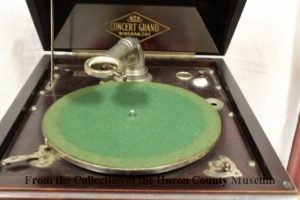
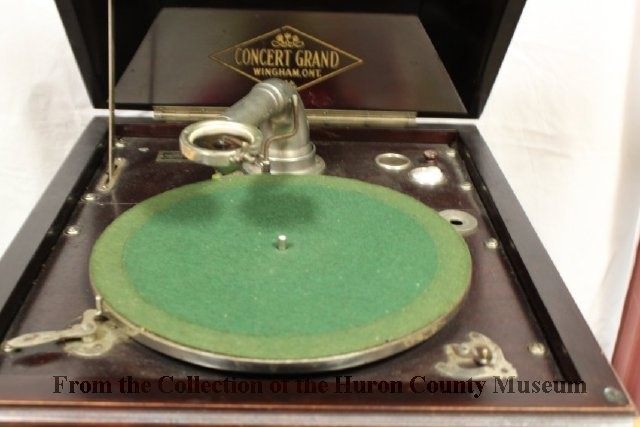
The “Concert Grand” talking machine (or gramophone), manufactured at the Gunn-Son-ola Talking Machine Co. in Wingham, Ontario. The gramophone was purchased by Lily and George McClenaghan and was always in their home at Whitechurch. 2018.0026.001a
The Gunn-Son-ola Talking Machine Company was founded in Wingham by Michigan manufacturer William Gunn in 1920. Gunn had purchased the Walker and Clegg furniture factory located on Alfred Street. Gun-son-ola churned out talking machines and cabinets for over ten years, at its peak employing 162 people. The company went bankrupt in 1931 and was taken over by Brown Bros. Manufacturing, which reverted the factory back into the manufacturing of general furniture products.
In the 1940s Polyvinyl chloride (PVC) began replacing shellac in the manufacturing of records. These new “vinyl” records were more flexible and less likely to break, which also allowed for smaller grooves (“microgrooves”) which could store more music.
By the time “The Best of Vera Lynn” was released in 1968, vinyl records were the most popular way of listening to recorded music. In the early 1980s cassette tapes had replaced vinyl in popularity, only to be itself replaced by the compact disk (CD) in the 1990s.There has been a vinyl record revival in recent years, with vinyl sales in 2020 surpassing CD sales in the US for the first time since 1986.
To check out more of the Huron County Museum’s record collection, head over to our online collections database at: https://huroncountymuseum.pastperfectonline.com/
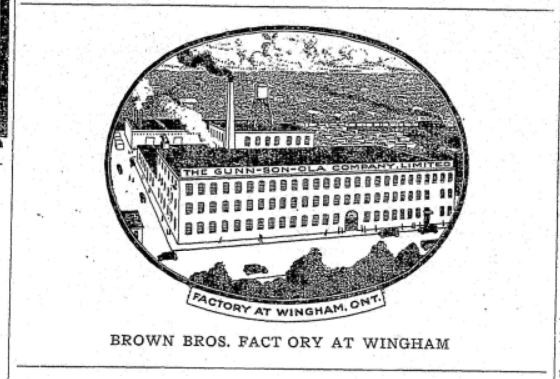
A drawing of the Gunn-son-ola factory in Wingham, which primarily made talking-machines and radio cabinets. By 1935 it was owned by the Brown Bros. Company. The Wingham Advance Times 1935-05-16