Between the Stacks: Huron County Digitization Embarks on a New Chapter
Kyle Pritchard is the Digitization Coordinator at the Huron County Museum. With the Digitized Newspaper Collection nearing completion, the project sets its sights on historical records in the archival collection at the Huron County Museum Archives with the assistance of the Department of Canadian Heritage. Consider supporting the digital collection today by donating at the front desk of the Huron County Museum. You can search the digitized newspapers yourself for free at https://www.huroncountymuseum.ca/digitized-newspapers/
Cliquez ici pour le Français
After six long years and the hard work of many, the Huron County Digital Newspaper Project is nearly complete. As the digitization of Huron County’s newspaper collection enters its final stages, the scope of the project is expanding to offer a greater variety of digital content for researcher and the community. Over the coming two years, select archival records held at the Huron County Museum will be added to the online web portal. This has been made possible after Huron County Cultural Services’ digitization project received news it had secured funding with the Department of Canadian Heritage as part of the Digital Museum Assistance Program. The goal of digitizing records in the museum archival collection is to transition our current online repository on the Digitized Newspaper Collection into a digital archive, where a wider variety of source material about local cultural heritage is available for local and academic research, and community engagement.
The Digitized Newspaper Collection has thrived over the last few years, despite the unexpected hurdles, delays and setbacks that have accompanied the trials and tribulations of enduring a global pandemic. In February of this year, the digitization project was awarded the Digital Access to Heritage Grant as part of the Museum Assistance Program, which is contributing to funding the next years of digitization. Huron County’s newspaper digitization also received the Ontario Library Association’s (OLA) Archival and Preservation Achievement Award back in February.
The Huron County Digitized Newspapers Collection began in 2016 to improve access to the enormous volume of local newspaper content previously only available on microfilm and in their physical format. The digitized collection now holds over 550,000 newspaper pages and receives between 7,000 and 9,000 online visitors per year. The papers preserve a century and a half of local historical content and are searchable using OCR (optical character recognition) technology. The collection is designed to assist researchers to advance our understanding of the history of Huron County and its growing community and has proven an invaluable tool for researchers in a wide range of topics, including political, social, cultural and genealogical history. The project aims to increase the accessibility of archival records at the Huron County Museum by increasing researchers’ awareness and knowledge of the collection.
DIGITIZING ARCHIVAL COLLECTIONS
The expansion of the Huron County Cultural Services digitization initiative focuses on five archival collections at the Huron County Museum Archive between now and mid-2024. These are the J.G. Henderson Collection, Huron County Assessment Rolls, CKNX films, rural diaries and the Huron County Return of Inhabitants. The timeline for digitizing archival materials prioritizes the release of content based on popularity, preservation, and the materials contributions to local cultural heritage.
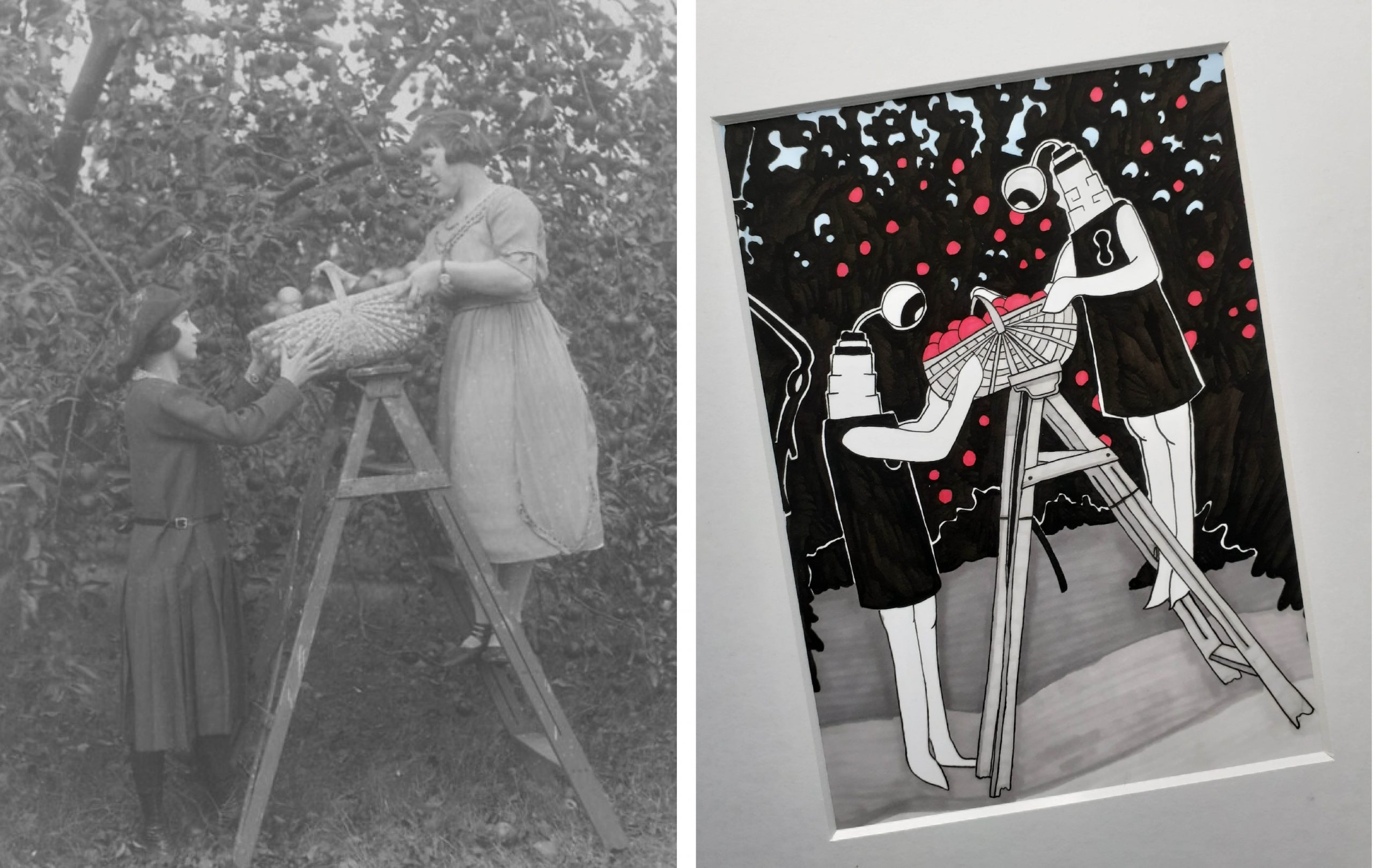
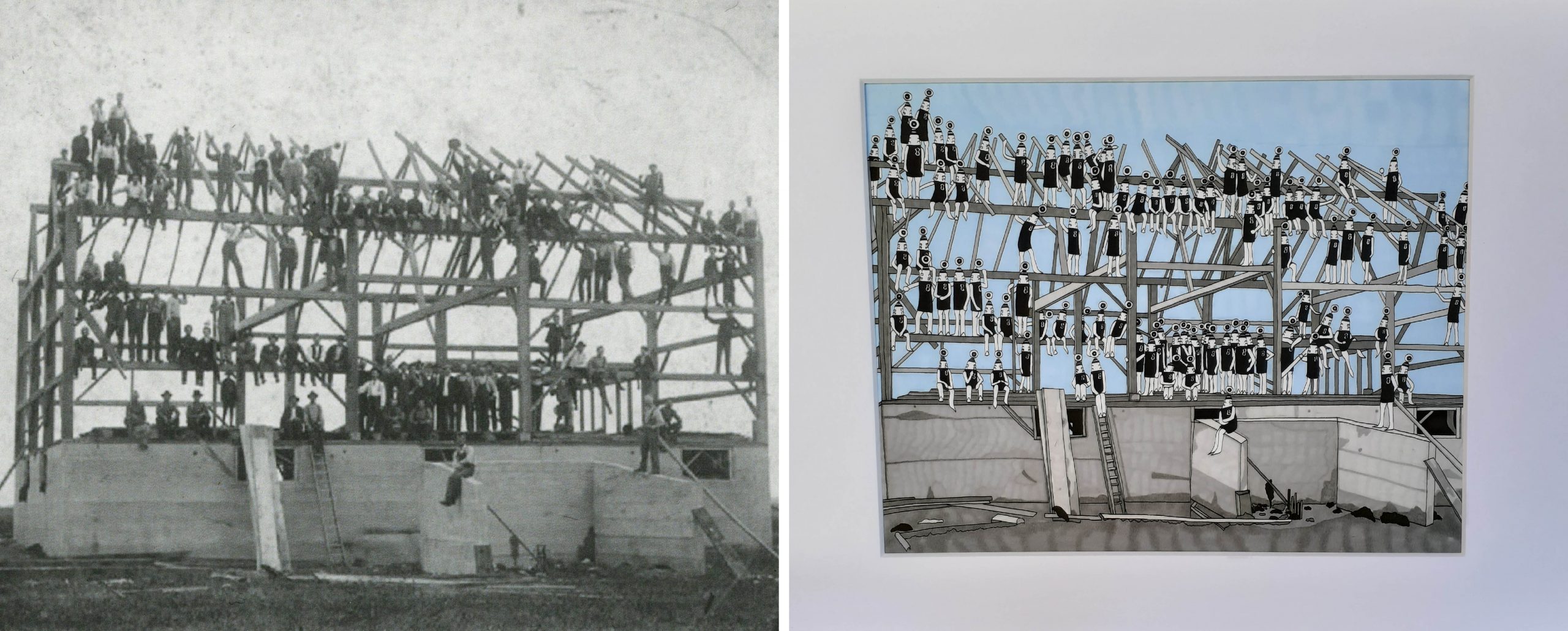
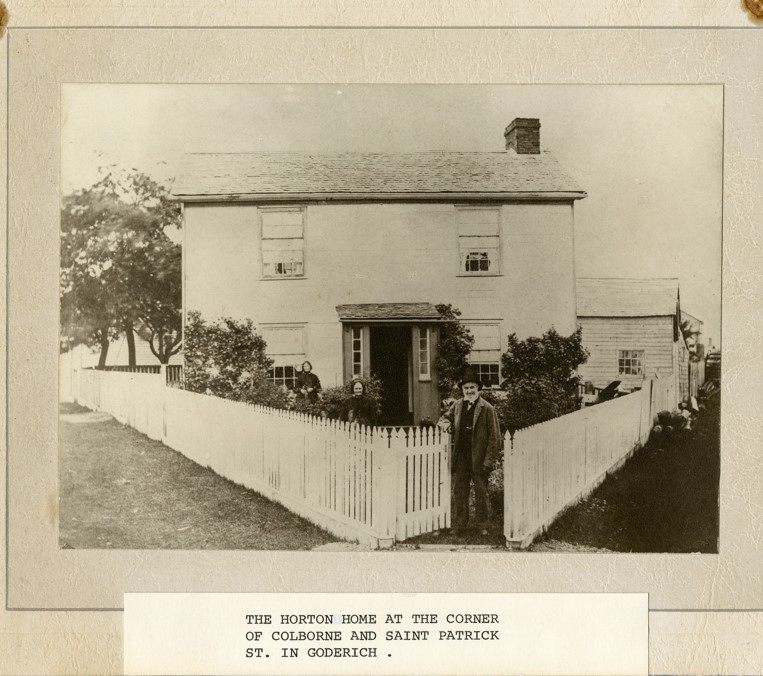
The first of these digitization projects is centred on the J.G. Henderson Collection. The Henderson Collection holds a large volume of materials, including a collection of photographs of particular interest to digitization. The collection is named after J. Gordon Henderson, a photographer who moved to Goderich, Ontario when he purchased a local photography business in 1939. Henderson was the principle photographer of the community during his lifetime. The files in the Henderson collection include local photographs like wedding portraits, candid shots, and captures of day-to-day life. The photography studio in Goderich relocated several times over the years, though most of the portraits taken during WWII were captured at the Hamilton Street studio. Throughout his forty years as a professional photographer in Goderich, Henderson only shot and developed in black and white film. All of the photographs held in this collection were taken by J. Gordon Henderson. Around 500 of these photographs have been selected for digitization based on their ability to highlight community activities and events. Those selected for digitization represent just a small part of Henderson’s collection of professional work held at the Huron County Museum Archives which are of benefit to public and academic research.
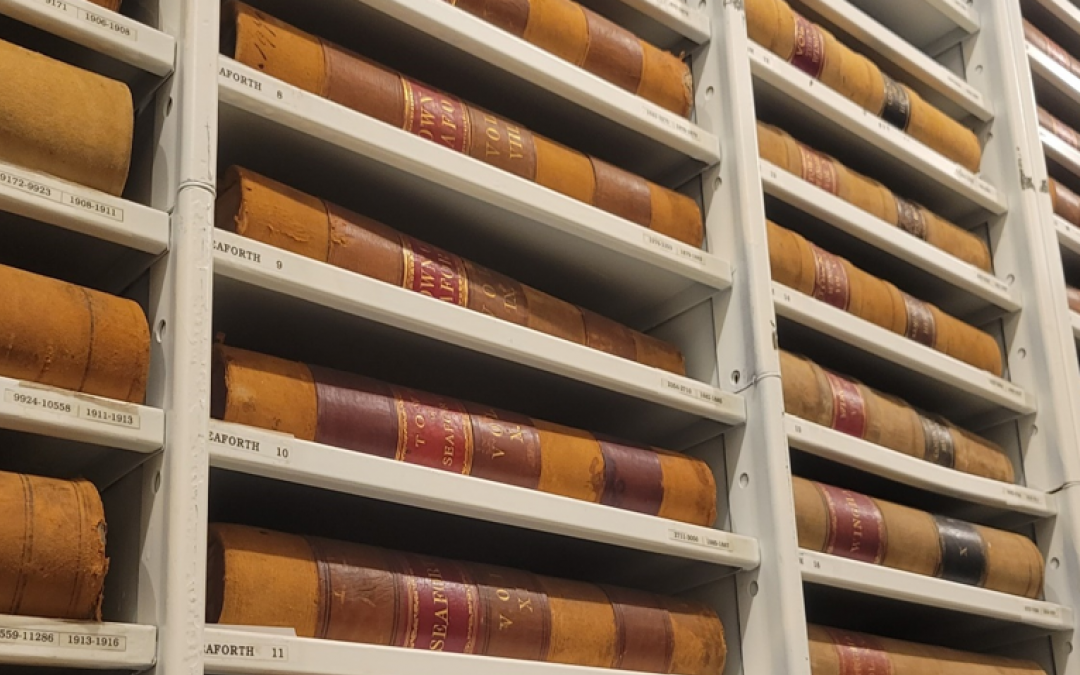
The second digitization project are assessment rolls located at Huron County Museum Archives for Goderich, Steven and Hay Townships dated up until 1940. This includes four archival series for Hay township, three archival series for Stephen township, and four archival series for Goderich township. Assessment Rolls provide details of homeownership within the county at various points in history, and are of particular use for demographic and genealogical historians. The records also allow for a closer examination of living arrangements and demographic change over time across the region.

The CKNX films will be the third records to be digitized. CKNX radio station was created by W.T. Cruickshank, which started broadcasting out of Wingham in the mid-1930s. In 1955, CKNX expanded to television broadcasting, becoming the first rurally-based television station in North America. CKNX was a pioneer in broadcast television and set the standard for other rurally-based television-stations across Canada. Crews from CKNX travelled all over Southern Ontario filming parades, schools, sports, and other significant events. The culturally significant films showcase how rural Canadians lived, worked, and enjoyed their time in the early-1960s. There are currently 36 CKNX films in the Huron County Museum Archives, which range in content from depictions of local scenery, architecture, organizations and businesses. The project will digitize half of this collection, prioritizing films with important historical value which showcase the local environment and activities involving community engagement.
The Huron County Museum Archives holds a small collection of historical diaries written by members of the local community which will be the fourth set of records to be made available digitally. The majority of the diaries date to the turn of the 20th century, with some written during the Victorian period and others written during the First World War. Historical diaries are hidden gems inside the archival stacks. Often underutilized, historians are only now beginning to discover the value of these rich sources of rural, family and community life. Eight of these diaries were transcribed during a research project in 2017, and their transcriptions will be made available online alongside the digitized diaries.
Lastly, the Huron County Museum Archives holds the Assessment and Return of Inhabitants records for 1842 to 1850, which will mark the final project to be digitized. Records from the return of Inhabitants can quantify the demographics of local populations over time and offer a window into the settlement of the county. These are popular archival records requested by researchers and the community at a higher degree of frequency than other records in the collection. Due to their age and wear, the digitization of these records is important for the long-term preservation of the original documents.
CONCLUSION
The next phase of digitization aims to diversify the digital content available within the collection by focusing on archival materials which capture local cultural heritage through a variety of mediums, which depict a fuller image of rural life and day-to-day experiences within the community. These include archival photographs, diaries, films and government records. The digitization of these archival records is an important contribution to local history and serves the benefit of preserving some of the most popular records in Huron County’s archival collection.