by Amy Zoethout | Sep 30, 2020 | Media Releases/Announcements, Uncategorized
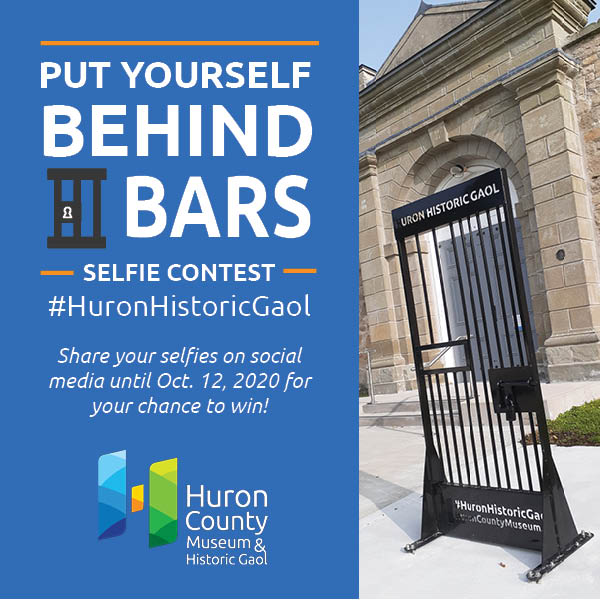
Even though the Huron Historic Gaol remains closed this season, visitors can still go behind bars at the new selfie station found just outside the Gaol walls! And to celebrate this new feature, we are hosting a selfie contest and invite you to put yourself behind bars for your chance to win a Huron County Museum merch bundle!
The new selfie station features a recreation of the Gaol’s iconic iron doors by local blacksmith Jim Wallace and can be found at the Gaol entrance. This permanent structure is now available year round for visitors to share their visit to this National Historic Site.
To enter the contest, simply take a selfie behind the bars and post it to Facebook or Instagram by Oct. 12 using #HuronHistoricGaol. A random draw will take place on the morning of Tuesday, Oct. 13. The winner will take home a bundle featuring some of the Museum’s favourite merch, including a Gaol t-shirt, Museum tote bag, the famous two-headed calf stuffie, four visitor passes for admission to the Museum and Gaol (when it reopens), and more!
Thank you to Regional Tourism Organization 4 (RTO4) Shareable Moments Challenge for providing funding for this project.
Please note that the selfie station is not monitored and does not have sanitizer available. Please use at your own risk.
by Erin Samuell | Jan 3, 2020 | Uncategorized

New Temporary Exhibits
Did you know that the Huron County Museum updates its exhibits annually? Staff at the Museum are currently busy preparing for an exciting season! Watch for these fascinating and interactive exhibits opening in 2020!
Ripple Effect
March 14, 2020 to February 15, 2021
Draw, Play, Create & Explore. Dive into Huron’s lakes and waterways in this fun and interactive exhibit for all ages.
Reflections: The Life and Work of J. W. (Jack) McLaren
April 15 to August 31, 2020
From Mirth and Mud at Ypres Salient and Vimy Ridge to the vibrancy of landscapes from Huron County and the Maitland Valley, explore the works of artist Jack McLaren (1895-1988).
Forgotten: People & Portraits of the County
September 26, 2020 to September 26, 2021
Explore unidentified images of the people and places of Huron County taken by local photographers. Who are they, where were they, and what stories could they tell?
From the collection of the Huron County Museum & Archives.
*Exhibit opening and closing dates are subject to change

Enjoy Interactive Programs
The Museum hosts a variety of programs for all ages and interests year round. Watch for these programs this winter and follow us on Facebook to stay informed on upcoming events and activities!
Make A Mess at the Museum!
Saturdays in January, February and March
1:30 pm – 3:30 pm
Enjoy unstructured play at the Museum! Create without instructions, colour without lines, and play games without rules!
Multilingual Movie Nights
January 9: Incendies with poutine & apple cider
February 13: House of Flying Daggers with egg rolls & green tea
March 12: A Separation with sweets & Persian tea
Dads and Kids
Presented by Rural Response for Healthy Children
January 30: Movie & themed craft night at the Museum
March 26: Oral history of your Dad/male caregiver! Kids interview the adults for some interesting story-telling!
PA Day Camps
January 31: Games & Toys of the Past, Present and Future!
May 1: Planes, Trains & Automobiles!
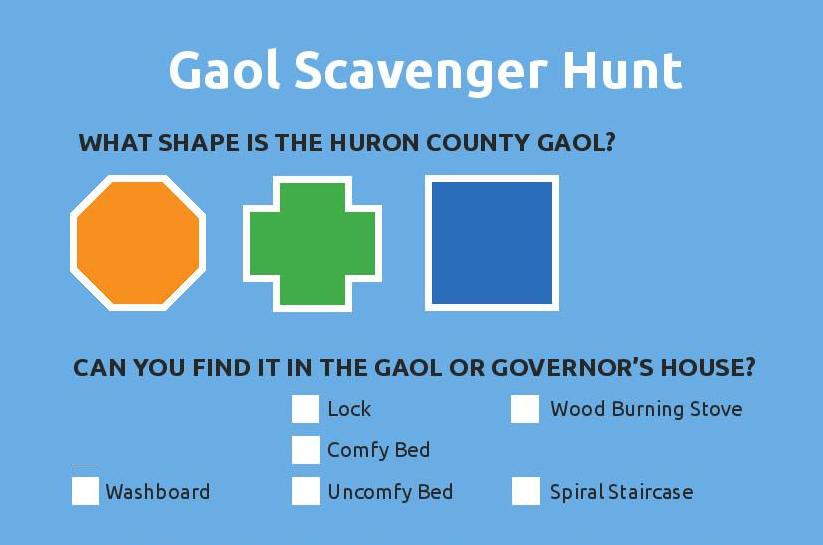
June 8: Unlock History! Hands-on history at the Huron Historic Gaol, including lock mechanics.
March Break at the Museum
Join us this March Break at the Huron County Museum as we proudly open our newest exhibit: Ripple Effect. Draw, Play, Create & Explore! Dive into Huron’s lakes and waterways in this fun and interactive exhibit for all ages.
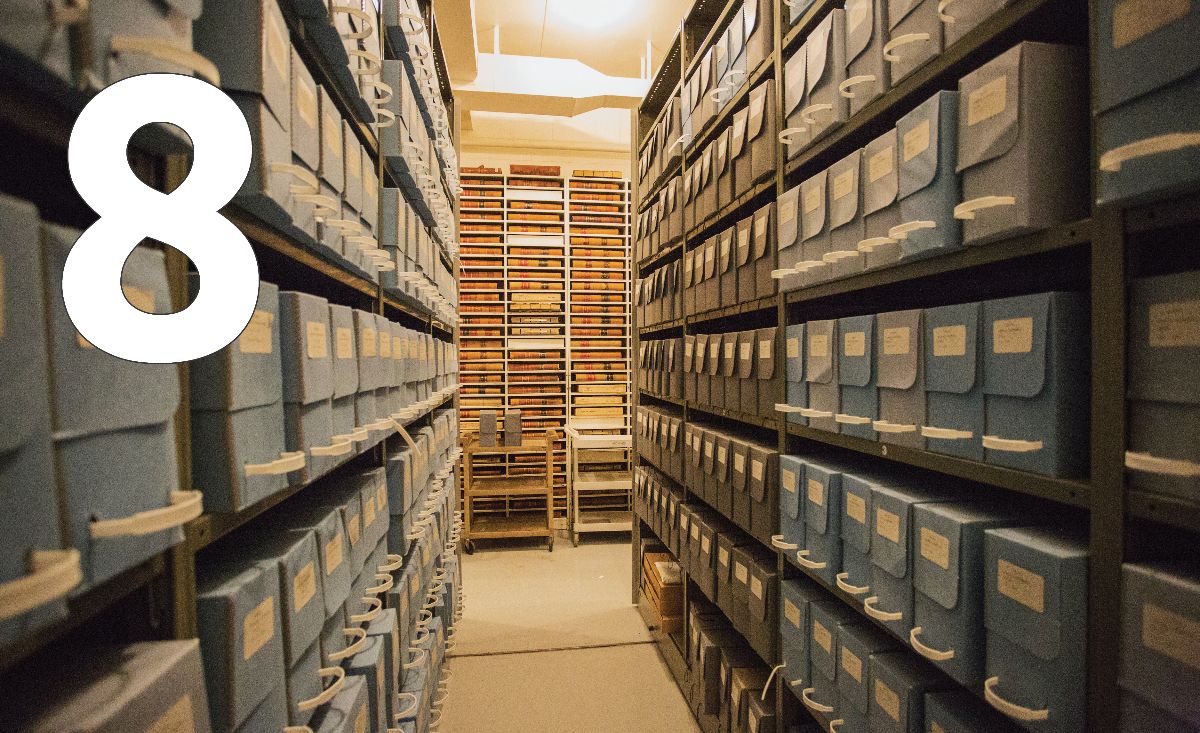
Research Local History in the Museum Archives and On-line!
Research local history in the Archives & Reading Room at the Huron County Museum.
Meet with the Archivist in the Huron County Museum’s Archives & Reading Room for hands on research assistance. Access local resources including; historical documents, newspapers, photographs, personal correspondence, literature and more!
Browse the Huron County Museum and Historic Gaol’s virtual collection from the comfort of your own home!
Access historic newspapers, artifacts, photographs, videos, and 360° virtual tours, on-line for free.
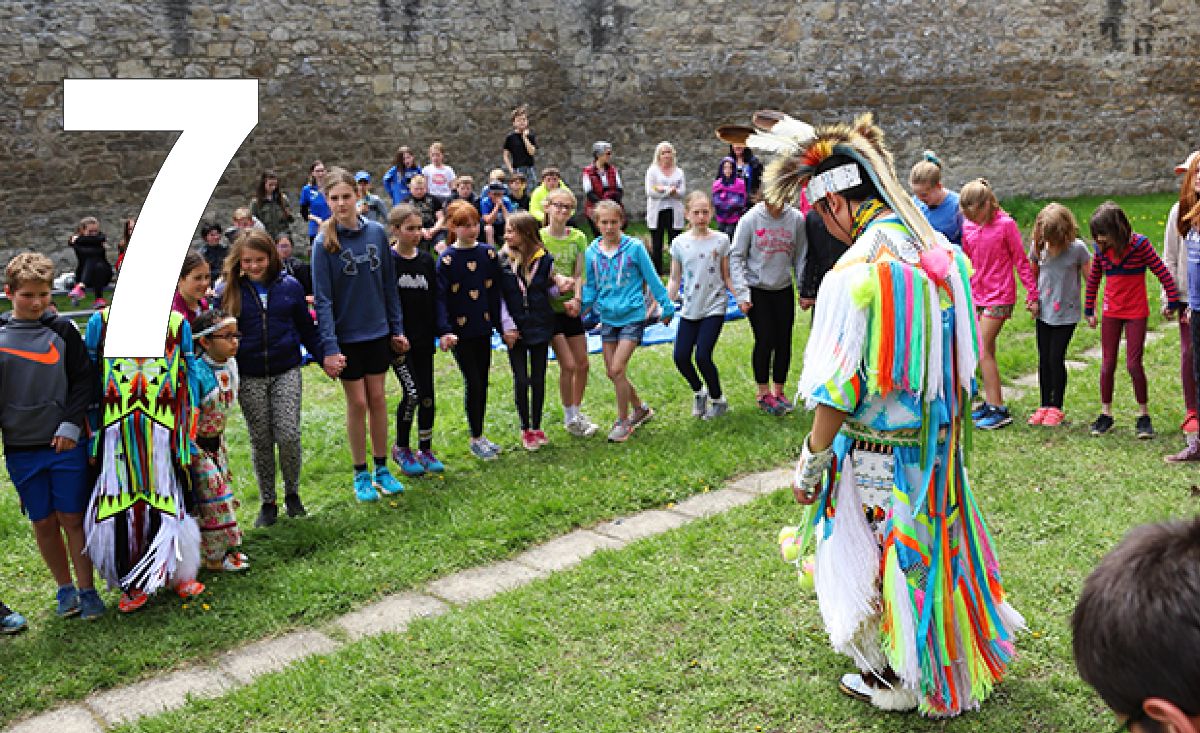
Participate in a School Program
Bring your class to the Huron County Museum & Historic Gaol for a school trip they’ll remember! The Huron County Museum offers innovative tours and programs in an ideal setting for students to learn and truly appreciate the rich history of Huron County.
School programs are geared for grades K-12 and are available for schools, youth groups, girl guide groups, boy scout groups, or groups of any other kind.
All educational programs are informative and interactive. We offer a wide range of programs that connect heritage and cultural life in Huron County to the school curriculum.
Check out our program guide for more information on the programs we offer!

Learn about life Behind the Bars!
The Gaol’s most popular program, Behind the Bars, will return this summer! Meet the faces of the Gaol and learn about life in Gaol between 1841 and 1911 in this interactive evening tour!
Did you know the Behind the Bars program is updated annually with new scripts and actors? Even if you’ve been before you’ll be sure to discover something new!
Admission is $10 for adults and $5 for children
Children under 5 and Museum Members are free!
Tuesdays & Thursdays 7-9 pm in July and August
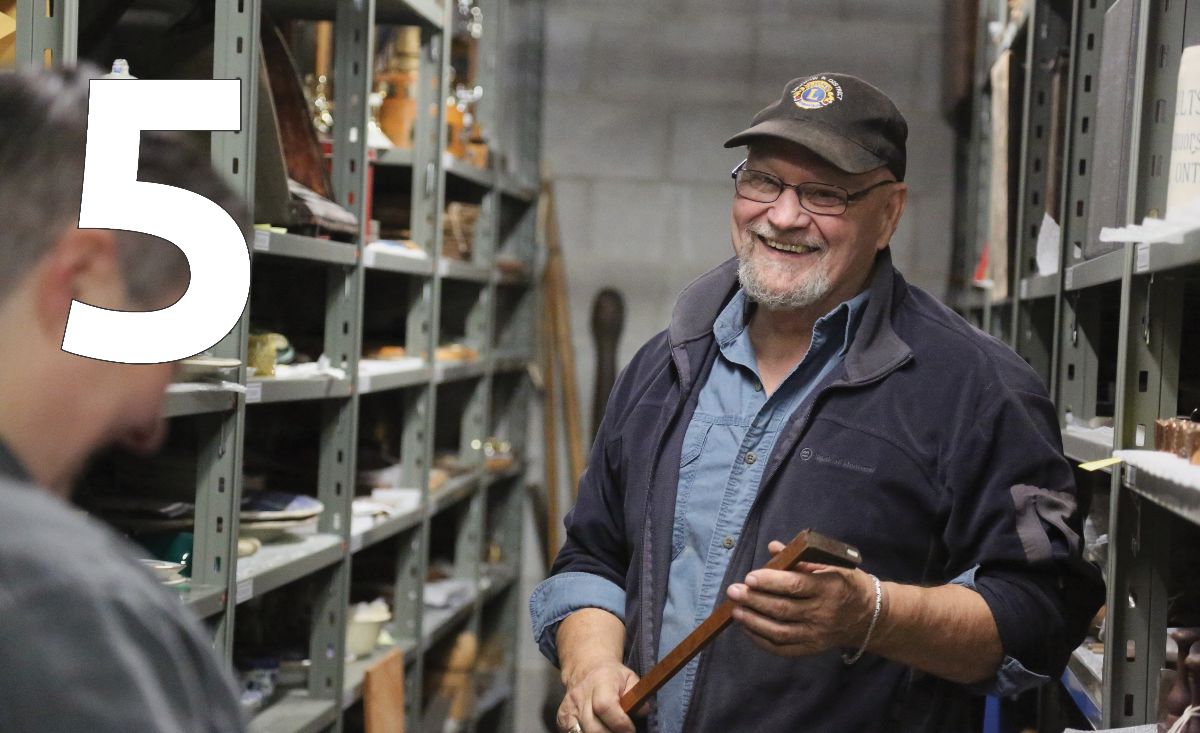
Get Involved!
There are many ways to join the Museum in our efforts to preserve, share and foster Huron County culture! We’d love to work with you!
Volunteer opportunities
There are many opportunities for volunteers at the Huron County Museum & Historic Gaol including: guest services, artifact cataloguing, cleaning & preservation, research & exhibit development, special event coordination, gardening and more! Learn about all of the opportunities to volunteer at the Museum & Gaol in our volunteer guide!
Donate an artifact
The Huron County Museum and Historic Gaol accept donations of artifacts and archival material that are historically significant to Huron County. Make an appointment with the Museum’s Registrar to learn more about the items we accept.
Sponsor an Exhibit or Program
Your business or organization can help support the Museum by sponsoring an exhibit or program. Sponsorship is available at a variety of price points or through in-kind donation and is a great way to connect with your community while promoting your business. Contact the Museum’s Business Development Manager for more information!
Take advantage of the Huron Heritage Fund
The purpose of the Huron Heritage Fund is to encourage the preservation of heritage assets and activities of heritage importance to the County of Huron and its residents.
Projects that receive funding assist in the preservation and restoration of heritage landmarks, historic buildings, and objects of historical significance not owned by the County of Huron. Heritage events and publications may also qualify for support under this program.
Learn more about the Huron Heritage Fund in the application form.
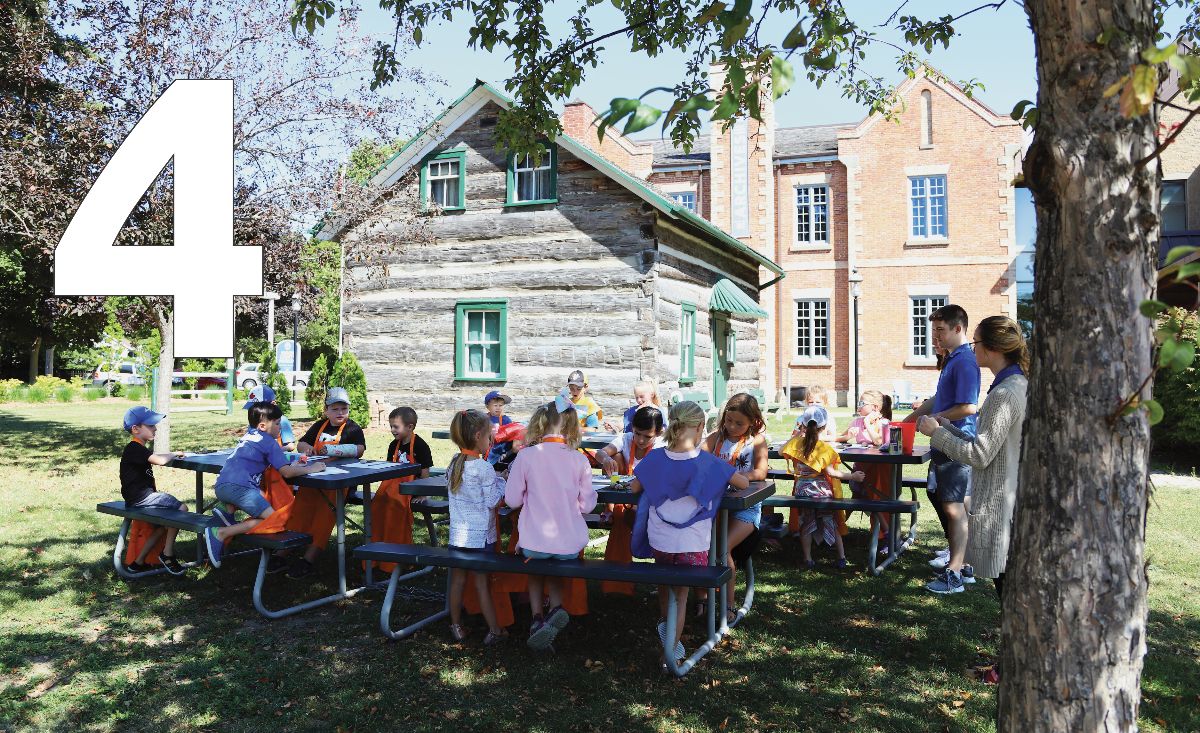
S.T.E.A.M. Power Summer Camp
All aboard! It’s full steam ahead for the Huron County Museum and Historic Gaol’s S.T.E.A.M. Power Camp! Discover the thrill of learning about science, technology, engineering, arts, and math in a fun and interactive setting!
Tinkerer, Curator, Spy
July 13-17, 2020
Make, build and go behind-the-scenes at the Huron County Museum. Create a mini-exhibit, design a disguise, invent a machine, solve a mystery, and check out the strangest, weirdest, most unbelievable artifacts from the museum’s collection.
World Famous
July 27-31, 2020
Be a globetrotter & travel the world (and through time) all from the Museum – somewhere new every day! Imagine your own international travels, use hands-on play to explore cultures from around the globe, and discover what makes Huron County famous around the world!
Eco Action!
Aug 10-14, 2020
Get active to find out more about our natural environment in the past, present and future and how to defend it! Make a splash with our interactive Ripple Effect exhibit about Huron’s waterways, and get your hands dirty in the Museum’s garden. Build and invent with upcycled materials.
Registration for summer camp opens February 3, 2020
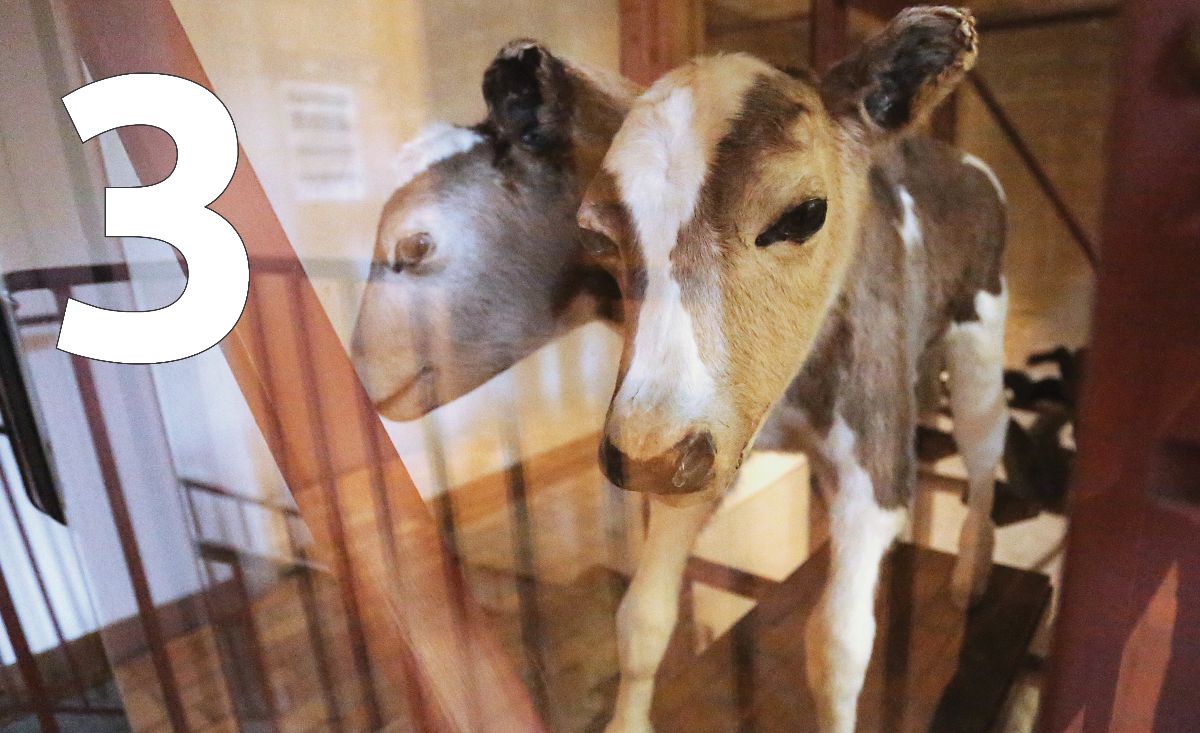
Two-Headed Calves
Did you know that the Museum has two two-headed calves in our collection? Since the Museum’s earliest days these calves have been a crowd pleasing favourite amongst staff and visitors – which one do you favour?
Take a two-headed calf home with you! Visit the Museum’s gift shop (open year round) to purchase a collector two-headed calf plushie, t-shirt, key chain, mug and more!

Become a Museum Member!
Support the Huron County Museum & Historic Gaol by becoming a Museum Member
Annual membership is available for as little as $30!
Membership Benefits Include:
Unlimited admission to the Huron County Museum and Historic Gaol during regular hours of operation
Invitations to exhibit openings and select events
Discount on programming and gift shop purchases
Free admission to Behind the Bars
Unlimited regular admission at our reciprocal partners:
Bruce County Museum and Cultural Centre
Grey Roots Museum and Archives
Ken Seiling Waterloo Region Museum
Simcoe County Museum
Regular admission to the Huron County Museum and Historic Gaol is FREE when you show your Huron County Library Card!
Library cards are available at no charge to Huron County residents at any one of Huron County’s twelve library branch locations. Free admission is limited to regular admission rates only. Additional charges may still apply to workshops, programs (including Behind the Bars), special events, room rentals, group tours, memberships, archives use, and other events.
by Erin Samuell | Sep 5, 2019 | Exhibits, Textile Collection, Uncategorized
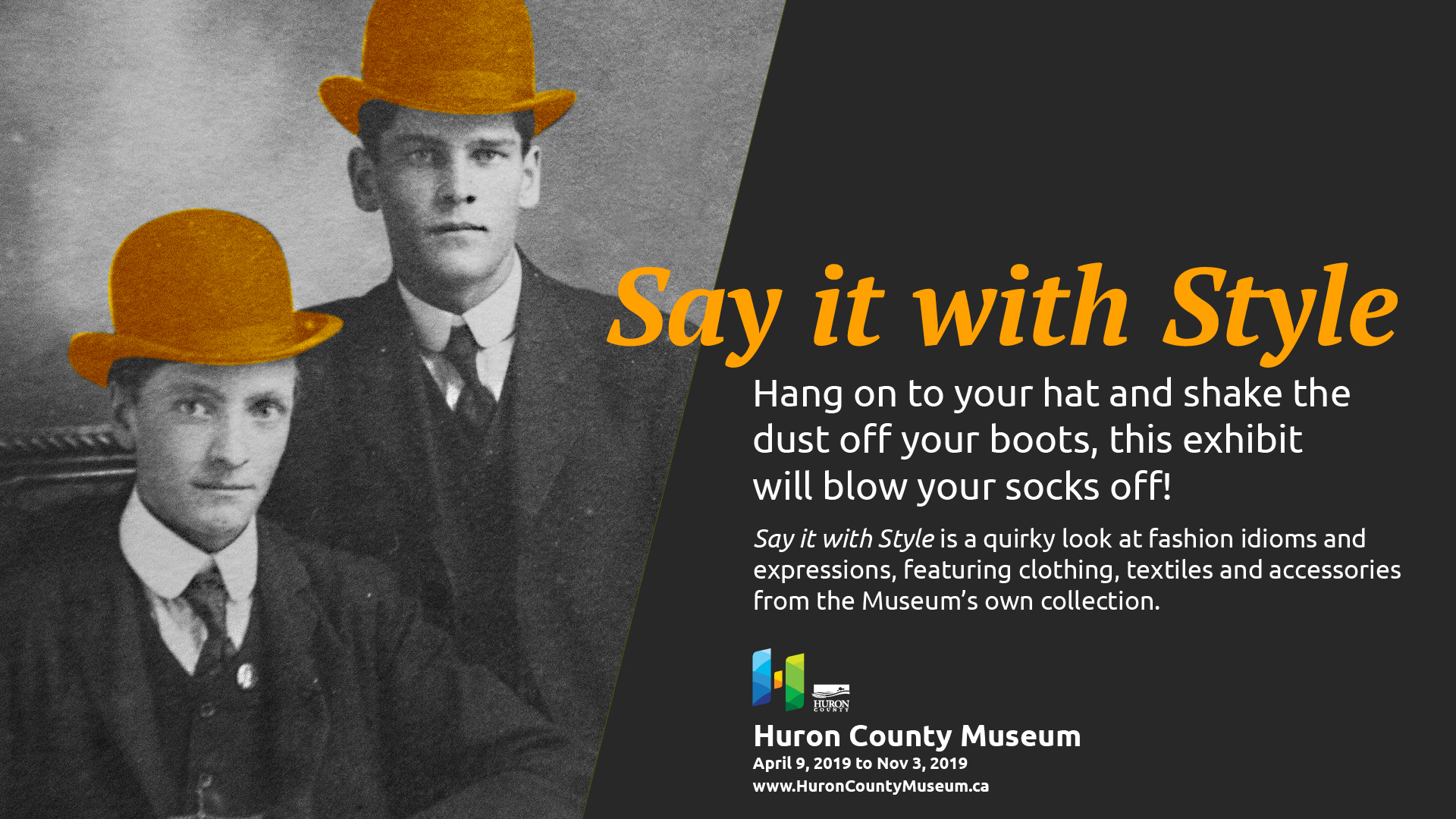
The Huron County Historic Museum presents our newest temporary gallery “Say It with Style”. This exhibit explores different fashion idioms from around the world, along with displays of clothing and accessories from dresses to collars, all from our own collection.
Some idioms, are hard to understand until they are defined. Some of them, you also will find you have never heard of. But the history from where these idioms originated is very interesting and every idiom has a story to tell. Here is the history of two idioms presented in the gallery and their definitions:
To wear your heart on your sleeve essentially means to openly display all of your emotions and feelings. This idiom has a few places where it could have originated from. The first and most likely place is from Shakespeare’s play Othello. Spoken by Iago, he is saying that to show his feelings would be like wearing his heart on his sleeve, where birds could peck at it. In other words, he is saying that to be open about your feelings is to make yourself vulnerable. Another theory about where it could have been started was in the middle ages. Claudius II, the Emperor of the Roman Empire from 268 to 270. He thought that unattached men make better soldiers, making marriage illegal. As an alternative, he would suggest temporary coupling. Every year, he would hold festivals and men would draw names of different ladies and whoever they got would be their partner for the next year. Once this was done, the man would wear her name on his sleeve for the rest of the festival. The last story originates from a time when knights would joust by order of the king and dedicate his performance to a woman of the court. So, by wearing something around his arm like a handkerchief, he let everyone know that the match was in defense of the woman’s honour. Which of these stories would you choose?
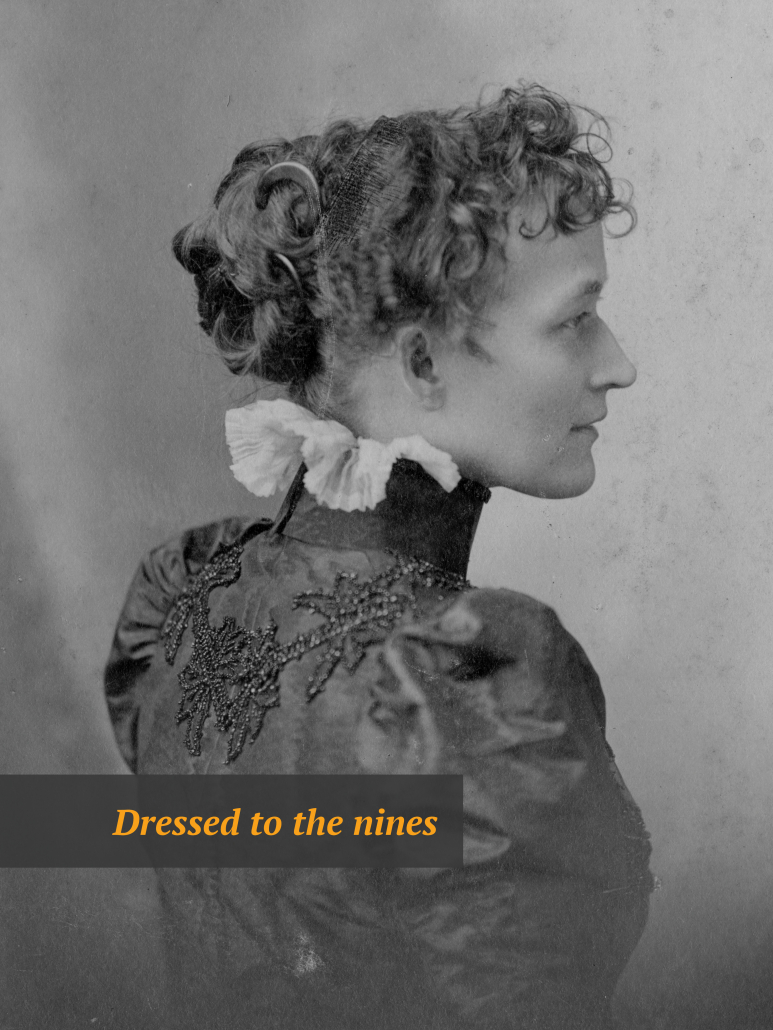
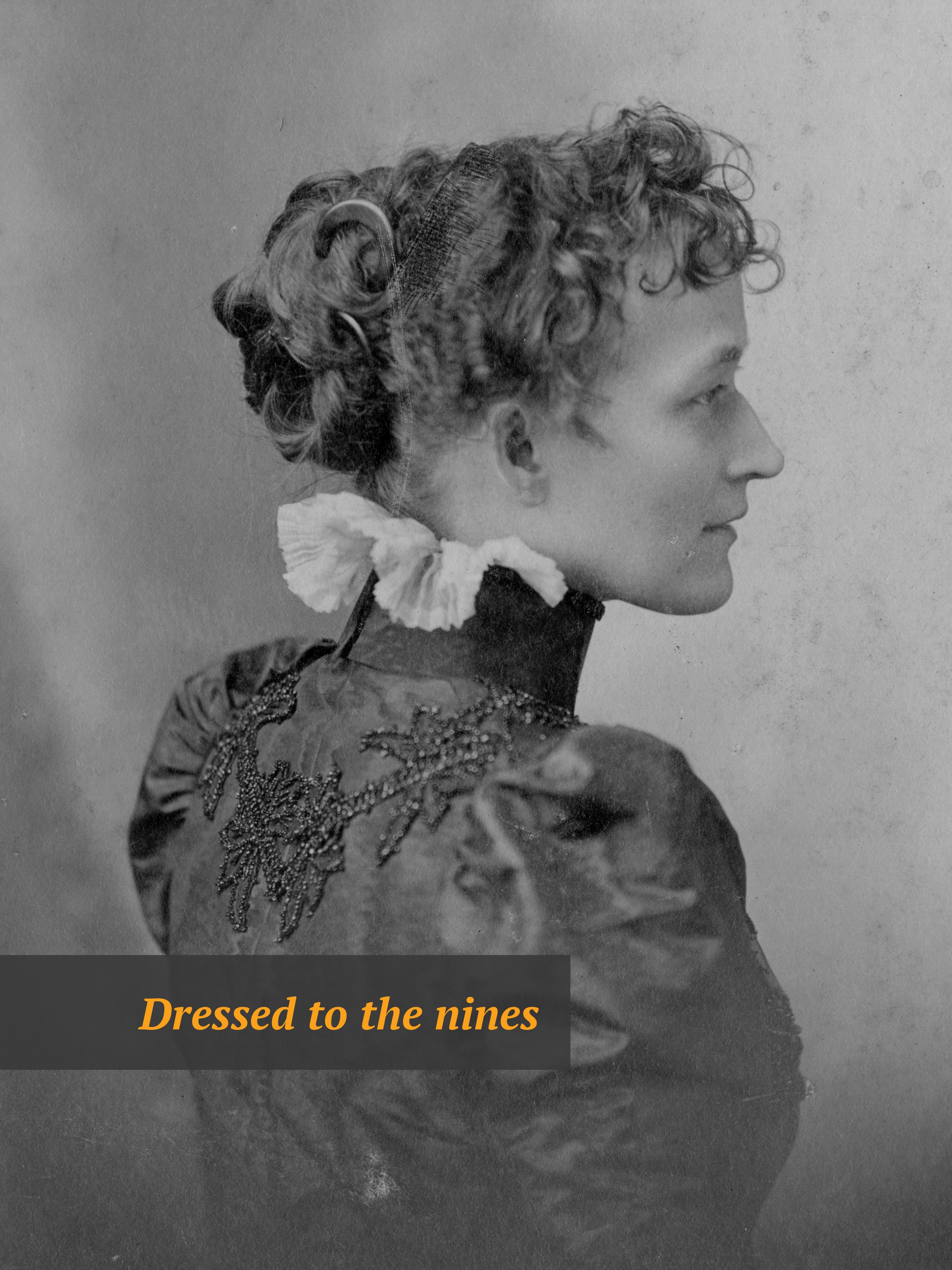
Another idiom, dressed to the nines, means to be dressed in your best, fanciest clothing. The origin of this idiom is unclear, but there are a few theories to where it could have come from. The phrase “to the nines” was found in poetry and stories before it was associated with clothing. One of the first encounters with the slang came from an English poem by William Hamilton called Epistle to Ramsay in 1719 where he wrote: “The bonny Lines therin thou sent me, How to the nines they did content me.” Another theory is that it came from the British Army’s 99th Regiment of Foot. They were well known for their intelligence and well kept uniforms, so well-known that other regiments that were based with them were would try to emulate them — to equal “the nines”. The most likely origin is the instance of the phrase being applied to using 9 yards of material to perfectly craft a suit, not to mention 9 yards of material for a suit is way too much material than actually needed. It would be an extravagance!
All of the textile pieces in our gallery feature different types and styles and are all designed to pair with each idiom presented. We have also included idioms from around the world, exploring different languages and cultures so you can also explore what other countries might say when expressing how they feel about clothing. If you would like to see for yourself, this exhibit is on display now for you to learn and explore, located in the Feature Gallery on the second floor of the Huron County Museum until November 3rd. We hope to see you there!
Written by Olivia Vanstone, Huron County Museum Co-op student from Goderich District Collegiate institute. Olivia recently graduated from grade 12 and enjoys photography, art, fashion, music and dramatic arts. During Olivia’s placement she was busy assisting with exhibit and programming activities.